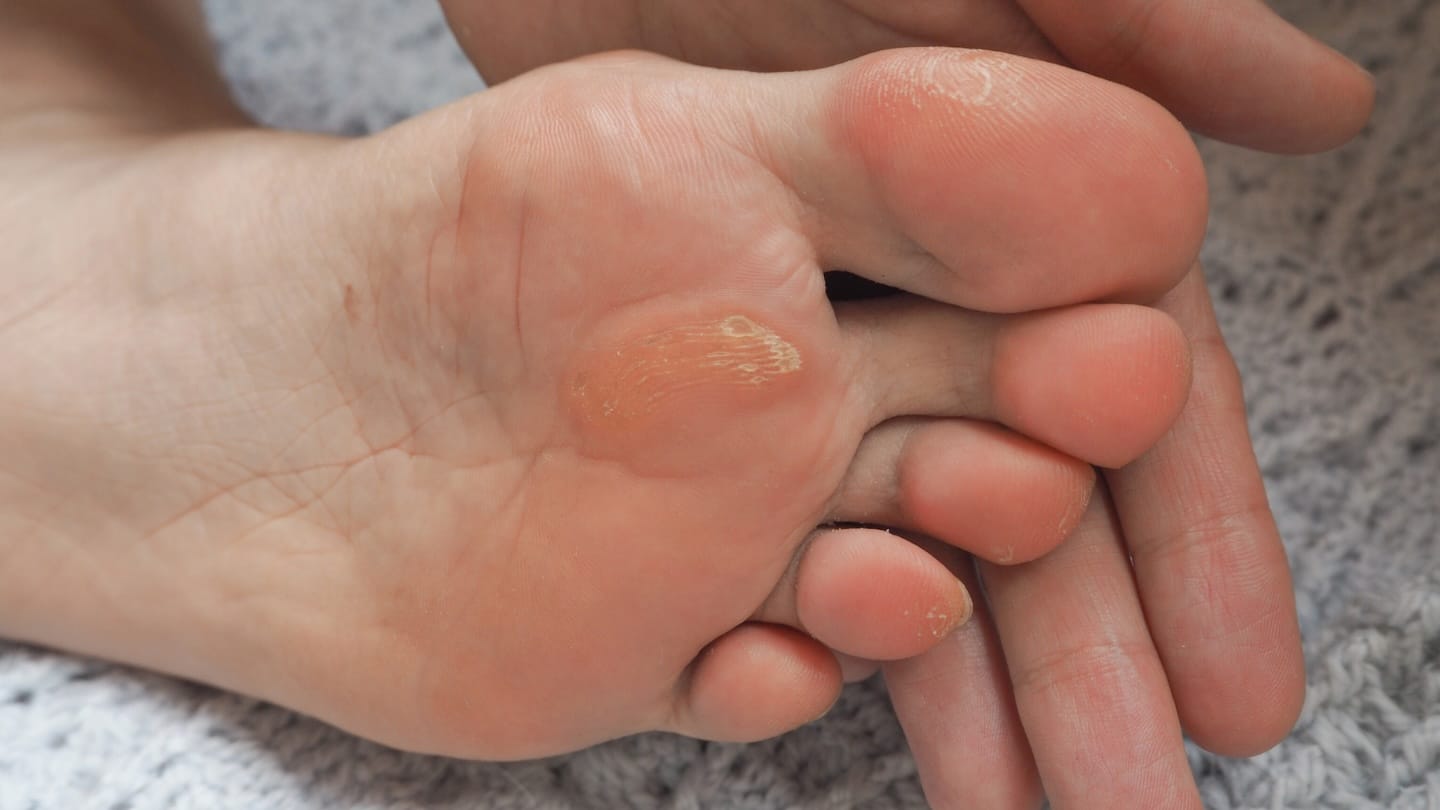
You slip off your shoes after a long day and notice a small, rough patch on the bottom of your foot. It might not be painful yet, but it’s starting to feel tender. Over the next few days, walking becomes uncomfortable, almost like stepping on a small stone.
If this sounds familiar, you may have a plantar wart. While they can often be dismissed as a minor cosmetic concern, plantar warts may cause ongoing pain, disrupt daily activity, and spread if left untreated.
What are plantar warts?
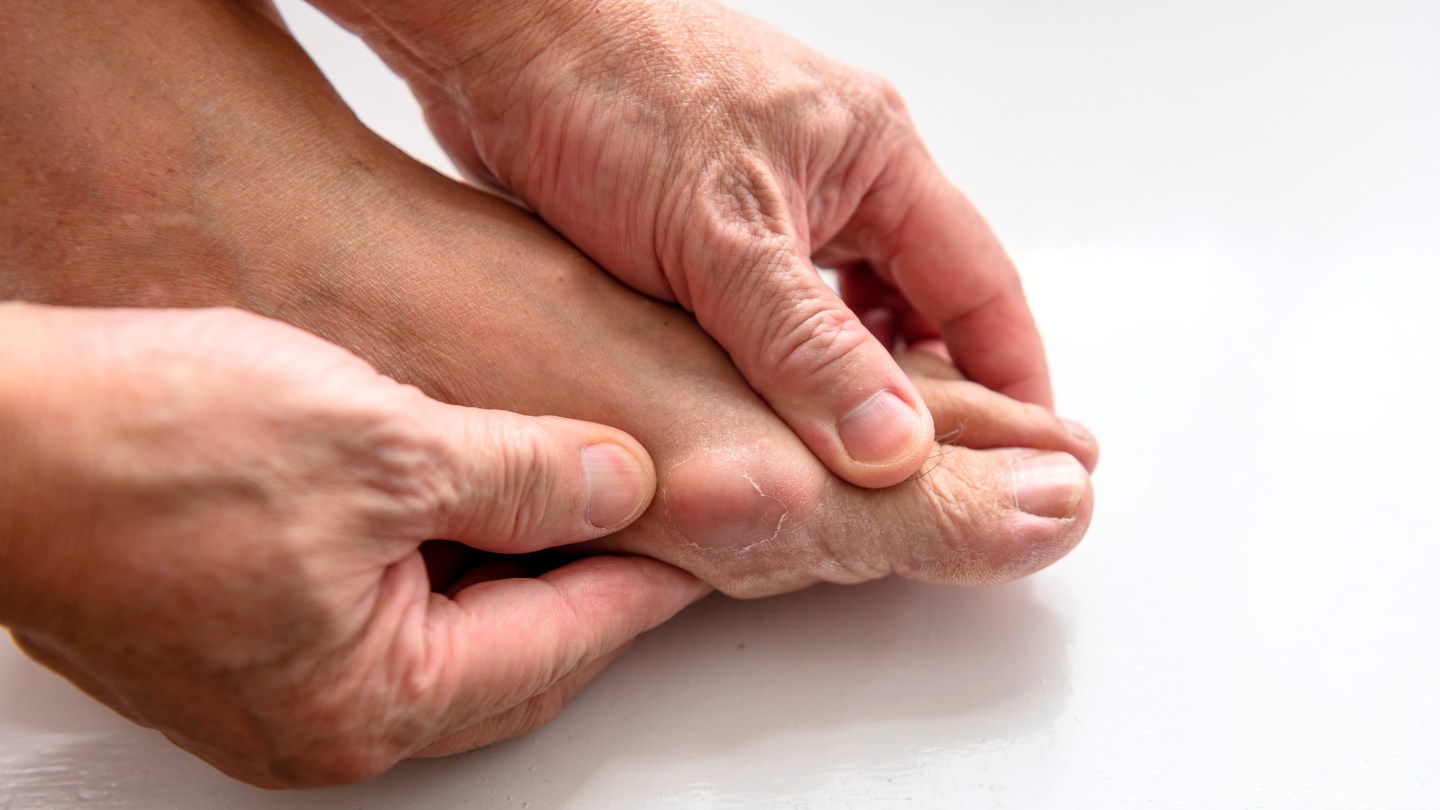
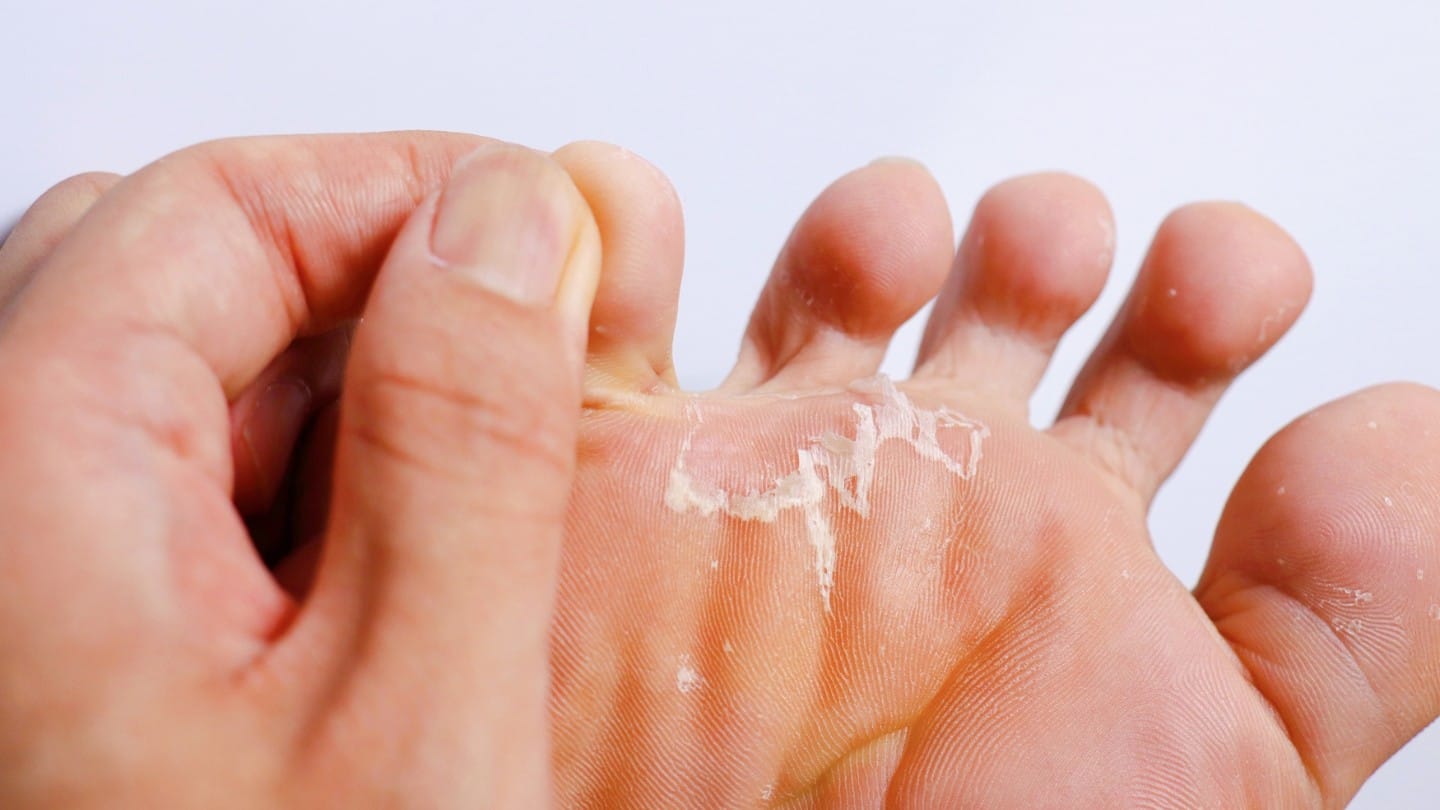
Plantar warts are small, rough skin growths that appear on the sole of the foot. They are caused by certain strains of the human papillomavirus (HPV), which enter the skin through tiny cuts or cracks. Unlike warts on other areas of the body, plantar warts tend to grow inward due to the pressure from standing and walking.
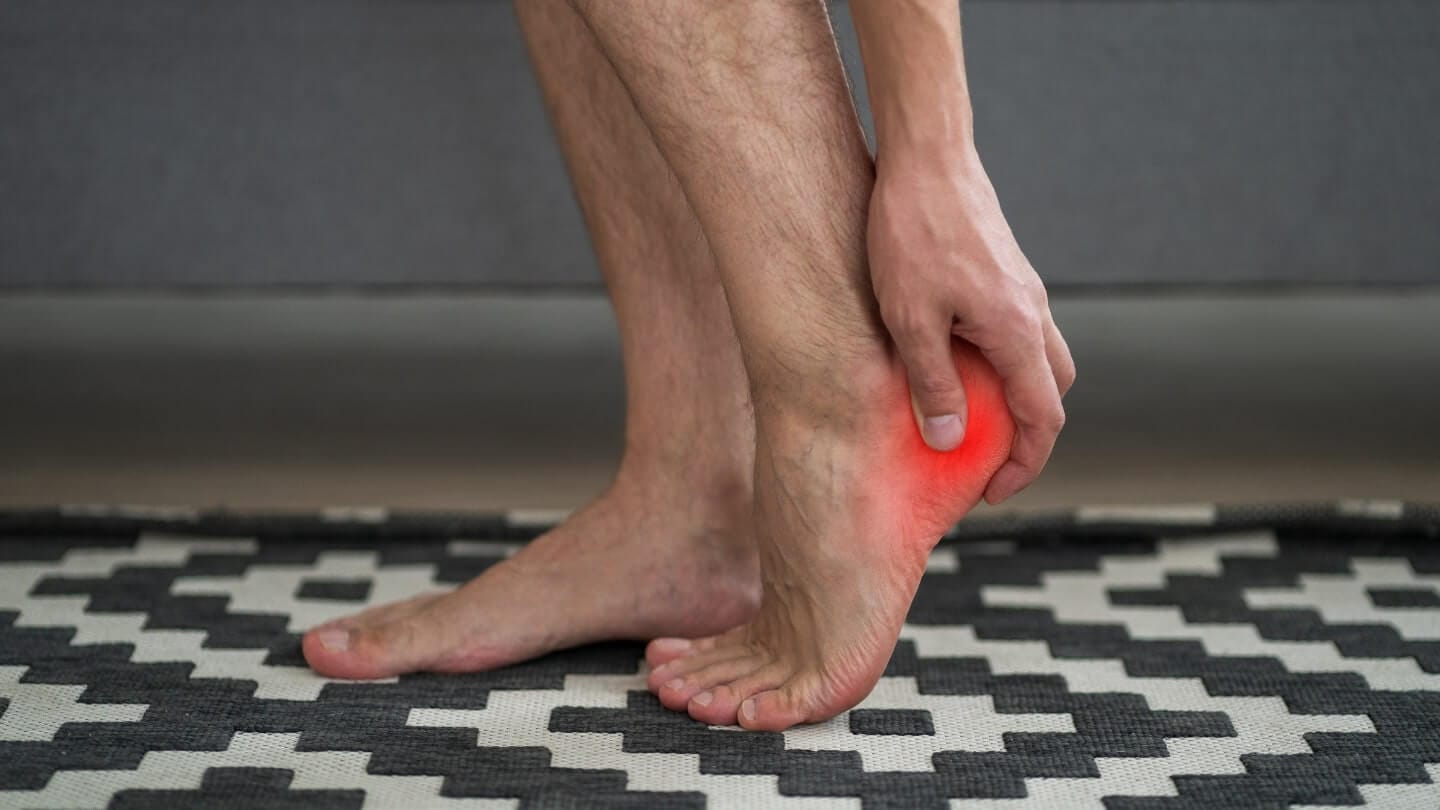
They often appear on weight-bearing areas such as the heel or the ball of the foot. These warts may have a grainy surface with small black dots, which are clotted blood vessels. They can appear alone or in clusters.
Why are plantar warts more than just a cosmetic concern
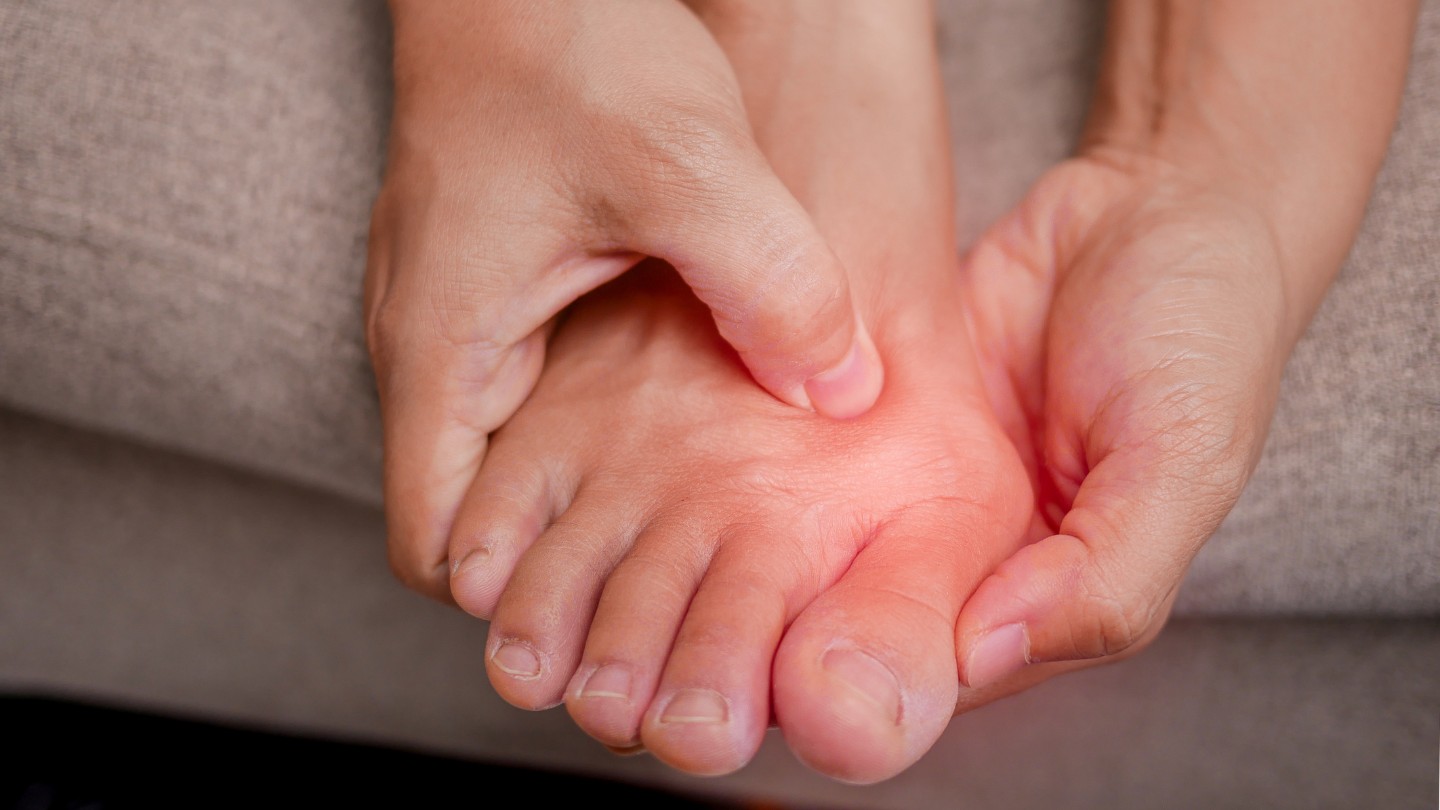
Although plantar warts may seem harmless at first, they can become uncomfortable, especially when located on high-pressure points. Over time, they may change how you walk, which can place strain on other parts of the body, such as the knees or hips.
If left untreated, plantar warts on your feet may lead to:
- Persistent tenderness during daily activities
- Altered walking patterns
- Spread of the virus to other areas of the feet or body
- Risk of skin infections, particularly if the wart is scratched or damaged.
Are plantar warts contagious?
Yes. Plantar warts are caused by a contagious virus. HPV can spread in environments where people are often barefoot, such as swimming pools, communal showers, and locker rooms. The virus enters through broken or softened skin and can survive on surfaces for extended periods.
It is also possible to transmit the virus by sharing socks, shoes, or towels. While not everyone who comes into contact with HPV will develop warts, the potential for spread increases when the skin is damaged or compromised.
Will they go away on their own?
In some cases, your immune system may clear plantar warts without any treatment, although this may take several months or even a few years. During that time, the wart may become more uncomfortable or increase in size.
Because of the potential for spread and impact on mobility, many people seek treatment before the wart resolves naturally. A podiatrist can assess the wart and guide you on suitable treatment options.
What treatment options are available?
An accurate diagnosis is important, as warts can be mistaken for corns, calluses, or other skin conditions. A podiatrist can help to identify plantar warts and advise on a personalised treatment approach.
Common treatment options for plantar warts include:
- Cryotherapy: This method uses liquid nitrogen to freeze the wart, damaging the affected skin so it can be shed naturally. Some people may need more than one treatment, depending on the size and depth of the wart.
- Topical treatments: Prescription or in-clinic solutions, often containing salicylic acid, may be used to break down the wart tissue over time. These can be applied at home or as part of a podiatrist-managed treatment plan.
- Other therapies: If the wart doesn’t respond to initial treatments, other options may be explored. These might include immune-based treatments or laser therapy or surgery. Your podiatrist will explain what’s appropriate based on your circumstances.
How Hong Kong Foot Clinic can help
At Hong Kong Foot Clinic, our podiatry team offers assessments and treatment options for foot and ankle conditions, including plantar warts.
If you’re dealing with foot pain or think you might have a plantar wart, contact us to book a consultation.
Disclaimer
All information is general and not intended as a substitute for professional advice. Hong Kong Foot Clinic can consult with you regarding your individual health needs.
References
- Mayo Clinic, Plantar warts, https://www.mayoclinic.org/diseases-conditions/plantar-warts/symptoms-causes/syc-20352691, Accessed 17 July, 2025.
- Cleveland Clinic, HPV (Human Papillomavirus), https://my.clevelandclinic.org/health/diseases/11901-hpv-human-papilloma-virus, Accessed 17 July, 2025.
- Cleveland Clinic, Plantar Warts, https://my.clevelandclinic.org/health/diseases/24899-plantar-warts#management-and-treatment, Accessed 17 July, 2025.