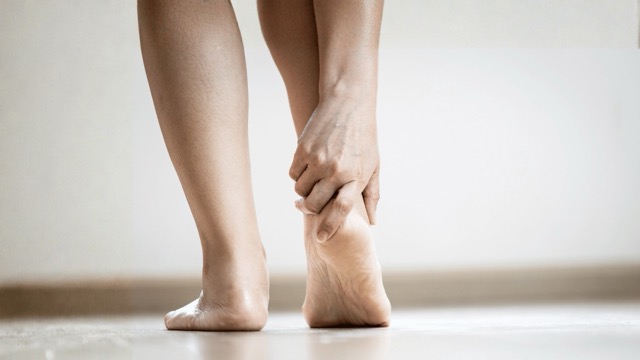
Imagine waking up and getting out of bed, only to feel like there’s a sharp pebble embedded in your heel, making you wince with each step. Sometimes, that heel pain is aggravated by being on your feet all day, making it a common problem for nurses, teachers, tradies and many others.
This is plantar fasciitis, a frustrating condition that our podiatrists often treat here at the Hong Kong Foot Clinic.
What is plantar fasciitis?
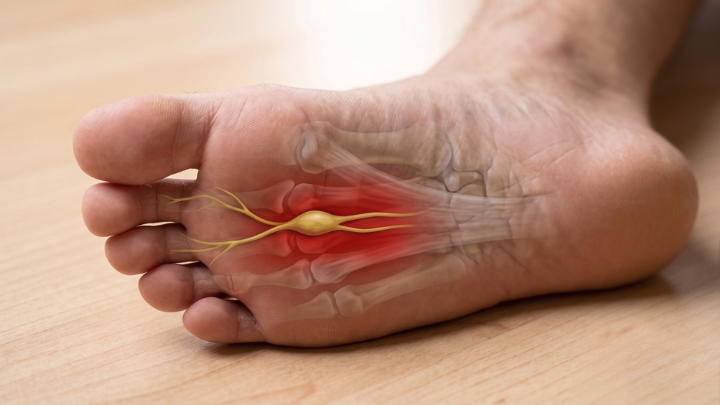
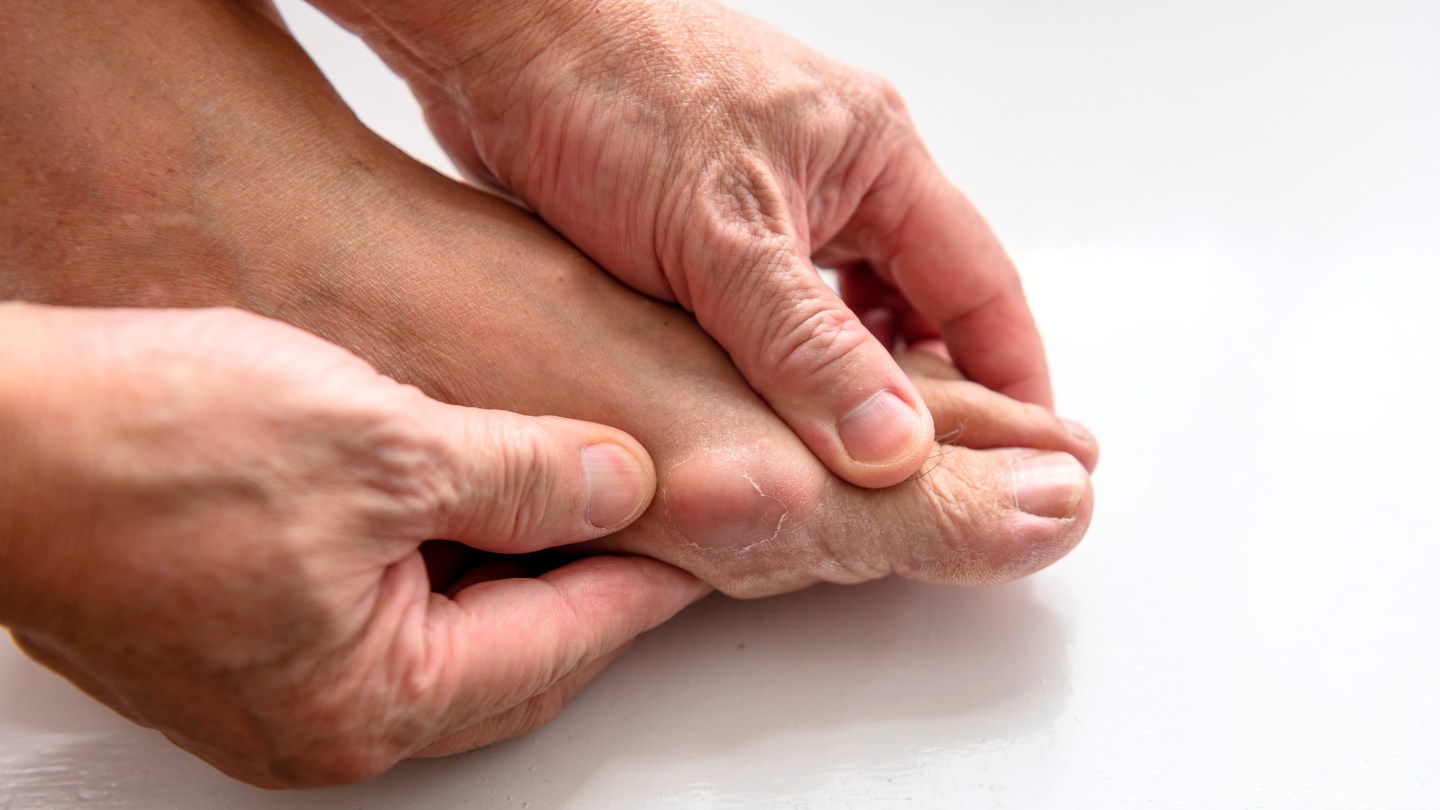
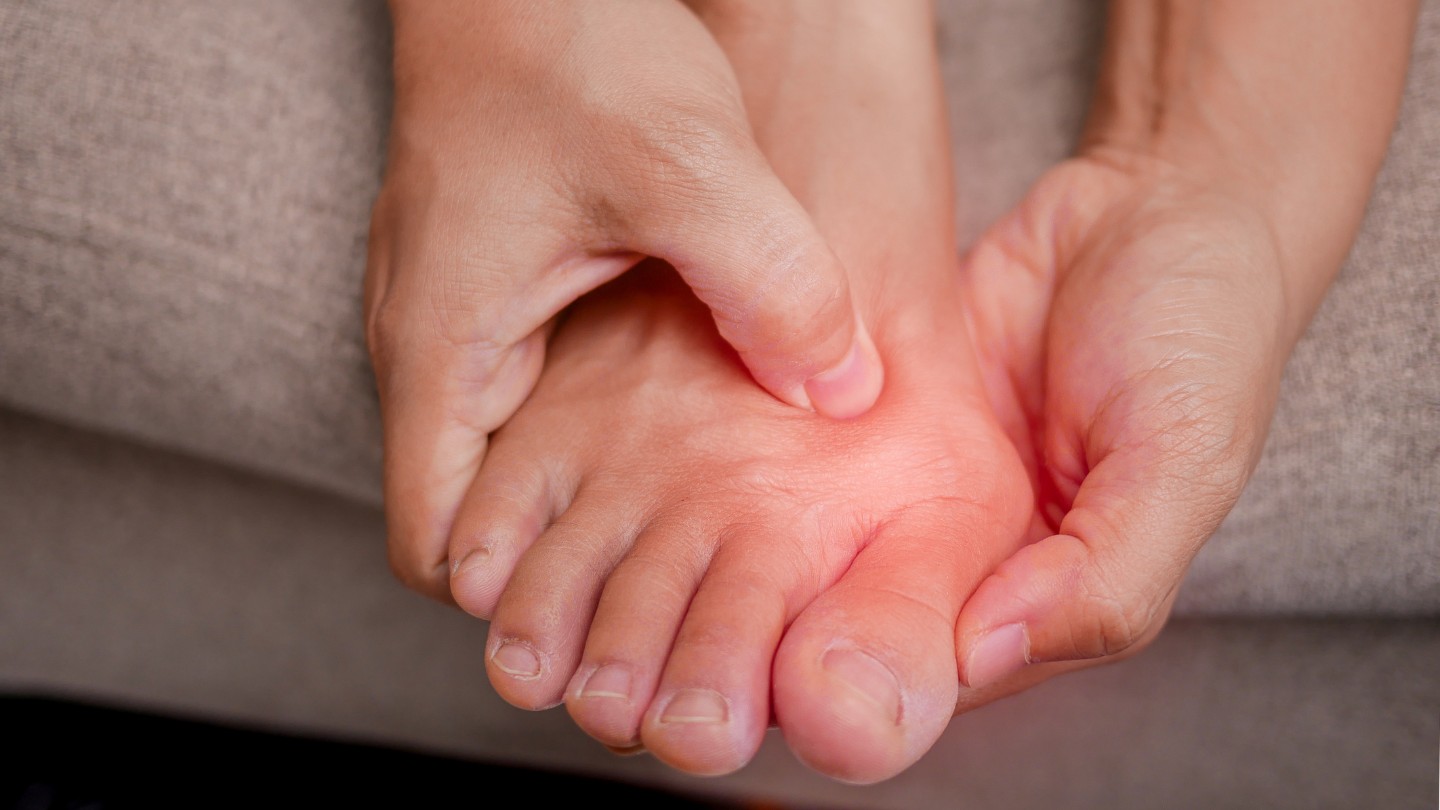
Plantar fasciitis (pronounced plan-ter fash-ee-eye-tis) is one of the most common causes of foot pain in adults. The plantar fascia is a thick band of tissue running along the bottom of your foot from your heel to your toes. Plantar fasciitis occurs when this tissue becomes inflamed or overstretched.
The result? Sharp, stabbing pain in the heel, especially during your first few steps in the morning or after long periods of rest. When each step is painful, you become acutely aware of just how far you walk each day.
Who is at risk of plantar fasciitis?
While plantar fasciitis can strike anyone, it most commonly affects:
- People aged 40 to 60
- Runners and dancers who put repetitive stress on their feet
- Those with flat feet or high arches
- People who are overweight or obese
- Those who are pregnant
- Workers who spend long hours standing on hard surfaces—think teachers, nurses, tradies.
You’re right to think that’s potentially quite a lot of people. Indeed, estimates suggest that 10% of people will experience plantar fasciitis at some point in their lives, making it one of the most prevalent foot conditions globally.
How to treat plantar fasciitis
The good news? Most cases of plantar fasciitis can be treated successfully with conservative care. Here’s what podiatrists typically recommend:
1. Rest and lifestyle modifications
If your foot pain flares up after intense activity or long days on your feet, rest is your best friend. Sit down, put your feet up and take it easy. Avoid high-impact activities like running or jumping until your symptoms ease.
2. Footwear and orthotics
Swap unsupportive shoes for ones with cushioned soles and arch support if you tend towards flat feet. Custom orthotics can help correct foot mechanics and reduce strain on your plantar fascia.
3. Manual therapies and dry needling
Podiatrists may use dry needling to release tight muscle bands or apply manual therapy techniques to loosen your foot’s connective tissue and promote healing.
4. Shockwave therapy
Shockwave therapy uses soundwaves to stimulate blood flow to the treatment area, which aids tissue repair.
Stretching exercises for plantar fasciitis
Stretching is a key part of plantar fasciitis treatment. Gentle, targeted movements can reduce tension, promote flexibility, and prevent recurrence.
Try these plantar fasciitis exercises at home:
Calf stretch against a wall
- Stand facing a wall.
- Place your hands on the wall and extend one leg behind you.
- Keep your heel on the ground and gently lean forward.
- Hold for 30 seconds and switch sides.
Plantar fascia stretch (seated)
- Sit with one leg crossed over the other.
- Grab your toes and gently pull them back toward your shin.
- You should feel a stretch under your foot.
- Hold for 15–30 seconds and repeat.
Foot roll with a frozen water bottle
- Freeze a small bottle of water.
- Sit down and roll the arch of your foot over the bottle for 5–10 minutes.
- This provides both massage and cold therapy.
Towel pickup
- Place a towel on the floor.
- Use your toes to scrunch it towards you.
- Repeat 10 times per foot to strengthen foot muscles.
Tip: Aim to do these stretching exercises for plantar fasciitis daily, especially in the morning and after work.
How long does plantar fasciitis last?
Plantar fasciitis can be a stubborn condition that takes a significant toll on your life. Even with treatment, it can take several weeks or months for symptoms to ease.
Thankfully, about 75% of cases resolve within a year – but it can certainly feel like a very long year!
At Hong Kong Foot Clinic, we provide comprehensive podiatry care for plantar fasciitis using biomechanical assessments, orthotics, shockwave therapy, and more.
Disclaimer
All information is general and not intended as a substitute for professional advice.
References
- Mayo Clinic, Plantar fasciitis, https://www.mayoclinic.org/diseases-conditions/plantar-fasciitis/symptoms-causes/syc-20354846#, [Accessed 27 January 2026]
- Sports Medicine Australia, What is plantar fasciitis? https://sma.org.au/resources/injury-fact-sheets/plantar-fasciitis/, [Accessed 27 January 2026]
- Cleveland Clinic, Plantar fasciitis, https://my.clevelandclinic.org/health/diseases/14709-plantar-fasciitis, [Accessed 27 January 2026]
- Yang, A., Lin, R., Xia, M., Su, H., & He, Y. (2024). The effectiveness of dry needling for plantar fasciitis: A systematic review and meta‑analysis. Frontiers in Neurology, 15, Article 1520585. https://doi.org/10.3389/fneur.2024.1520585, [Accessed 27 January 2026]
- Leão RG, Azuma MM, Ambrosio GHC, Faloppa F, Takimoto ES, Tamaoki MJS. Effectiveness of shockwave therapy in the treatment of plantar fasciitis. Acta Ortop Bras. 2020 Jan-Feb;28(1):7-11. doi: 10.1590/1413-785220202801227402. PMID: 32095104; PMCID: PMC7006537. https://pmc.ncbi.nlm.nih.gov/articles/PMC7006537/, [Accessed 27 January 2026]