Susan is a busy Hong Kong realtor who is constantly on her feet, escorting clients on apartment tours. Now in her mid-40s, she’s well-recognised in her field and prides herself on her smart, professional appearance.
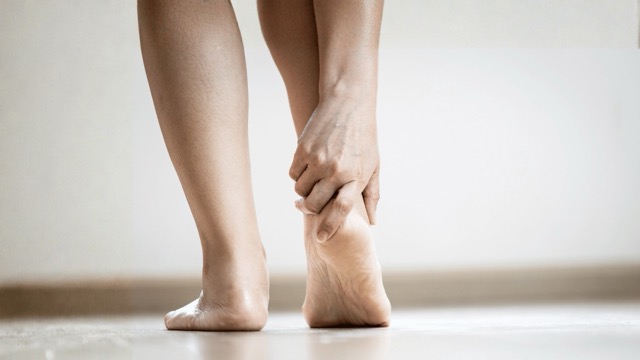
Susan always keeps her clients happy, but lately, it’s at the expense of her feet. At the end of another long day in the city, she’s resting on her sofa with a swollen, aching big toe, wondering if it’s time to stop wearing her favourite heels.
That’s because Susan has developed bunions.
What are bunions?
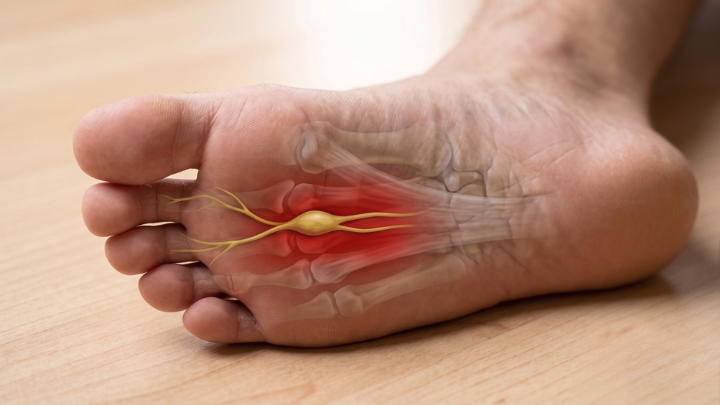
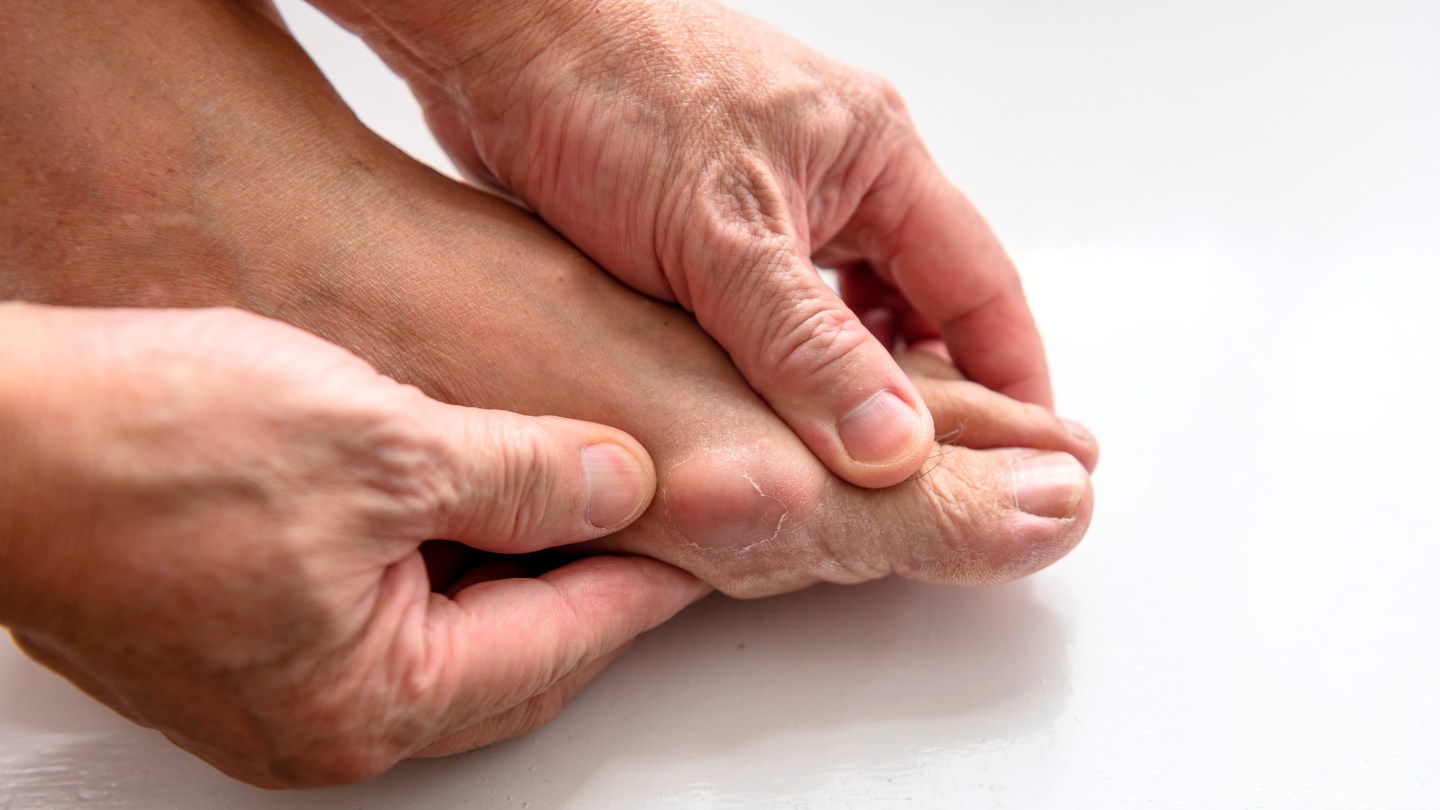
A bunion (also known as a foot bunion or hallux valgus) is a bony bump that forms at the base of the big toe. It develops when the big toe gradually shifts inward toward the smaller toes, causing the joint at its base to protrude outward.
Over time, this misalignment places pressure on the joint, leading to inflammation, pain and visible deformity. Bunions are progressive, meaning they tend to worsen without intervention.
Common bunion symptoms include:
- a visible bump on the side of the big toe (or, less commonly, the little toe)
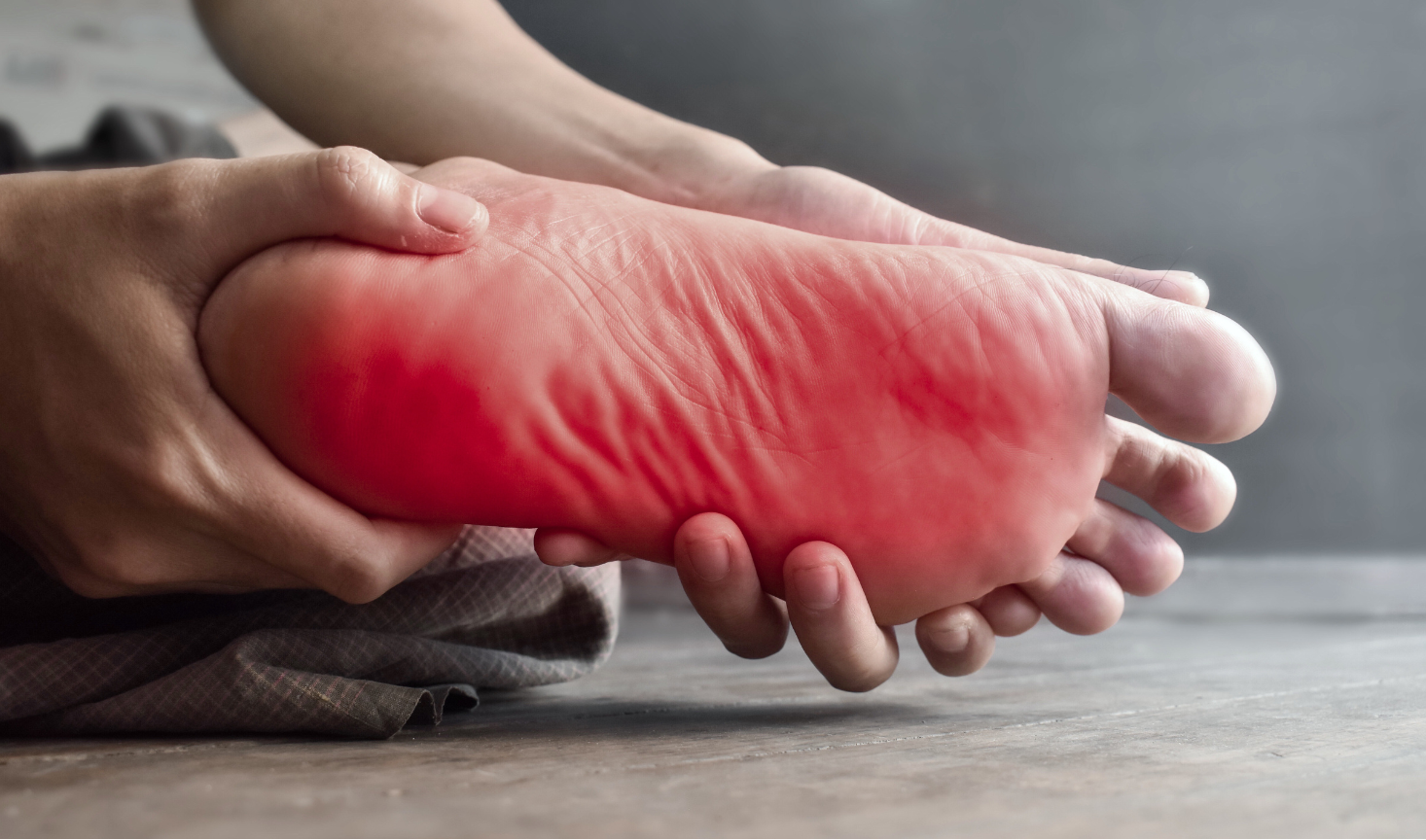
- pain or tenderness around the joint
- swelling or redness
- difficulty wearing shoes
- stiffness or reduced toe movement
What causes bunions?
The most common causes of bunions include:
- Foot structure and genetics: If bunions run in your family, you may be more prone
- Biomechanical issues: Flat feet, over-pronation or unstable gait
- Repetitive stress: Long periods of standing or walking, common in Hong Kong’s urban lifestyle
- Underlying conditions: Including arthritis and inflammatory joint conditions
Footwear is unlikely to cause bunions on its own, but certain shoes can significantly exacerbate symptoms. If you’ve developed bunions, it’s best to avoid narrow, pointed or tight shoes as these place extra pressure on your toes, worsening pain and inflammation.
How to treat bunions without surgery
There are several ways to manage bunions conservatively.
Finding a new shoe-style
Choose shoes with a wide toe box and adequate support to reduce pressure on the bunion. Susan may need to trade her pointy-toed shoes for almond toes or court flats, which offer more space for her toes while still creating a professional appearance.
Custom orthotics
Custom-made orthotics help to correct biomechanical imbalances, redistribute pressure and reduce strain on the big toe joint. This can be particularly helpful for active individuals and those who walk extensively in the city.
Padding and toe spacers
Protective padding or silicone toe spacers may relieve friction and improve alignment during daily activities.
Splints and braces
Splints may be used to gently support alignment, reduce joint strain and ease symptoms. They won’t reverse a bunion, but they may help slow progression and improve comfort.
Anti-inflammatory strategies
Ice, rest and short-term use of anti-inflammatory medication (as advised by a healthcare professional) may help manage flare-ups.
When is bunion surgery needed?
While most bunions can be managed conservatively, bunion surgery (bunion removal) may be considered if:
- non-surgical treatment options have been exhausted
- pain persists despite treatment
- walking becomes difficult
- the bunion significantly interferes with daily life
- severe deformity develops
Surgery aims to realign the joint, correct deformity and restore function. There are several surgical techniques, and the best option depends on the severity of the bunion and individual lifestyle needs.
How to prevent bunions: key tips
Early action is key, especially if you have a family history or are experiencing initial symptoms.
Many factors contribute to bunions and you may still develop them despite your best efforts. However, the risk may be reduced by:
- wearing shoes with adequate width and arch support
- avoiding prolonged use of high heels or narrow footwear
- maintaining a healthy body weight to reduce foot strain
- addressing biomechanical issues early
How Hong Kong Foot Clinic can help
At Hong Kong Foot Clinic, we understand the demands of city living, from steep streets to long workdays on your feet.
Our podiatrists take a personalised, evidence-based approach to bunion care, offering:
- comprehensive biomechanical assessment
- custom orthotics designed in-house
- conservative treatment plans tailored to your lifestyle
- guidance on footwear and long-term prevention
If you’re concerned about bunions, please book an appointment today.
Disclaimer
All information is general and not intended as a substitute for professional advice.
References
- Cleveland Clinic, Bunions, https://my.clevelandclinic.org/health/diseases/14386-bunions-hallux-valgus, [Accessed 10 February 2026]
- Australian Journal of General Practice, Bunions: a review of management, https://www1.racgp.org.au/ajgp/2020/november/bunions [Accessed 10 February 2026]
- Mayo Clinic, Bunions, https://www.mayoclinic.org/diseases-conditions/bunions/diagnosis-treatment/drc-20354805, [Accessed 10 February 2026]