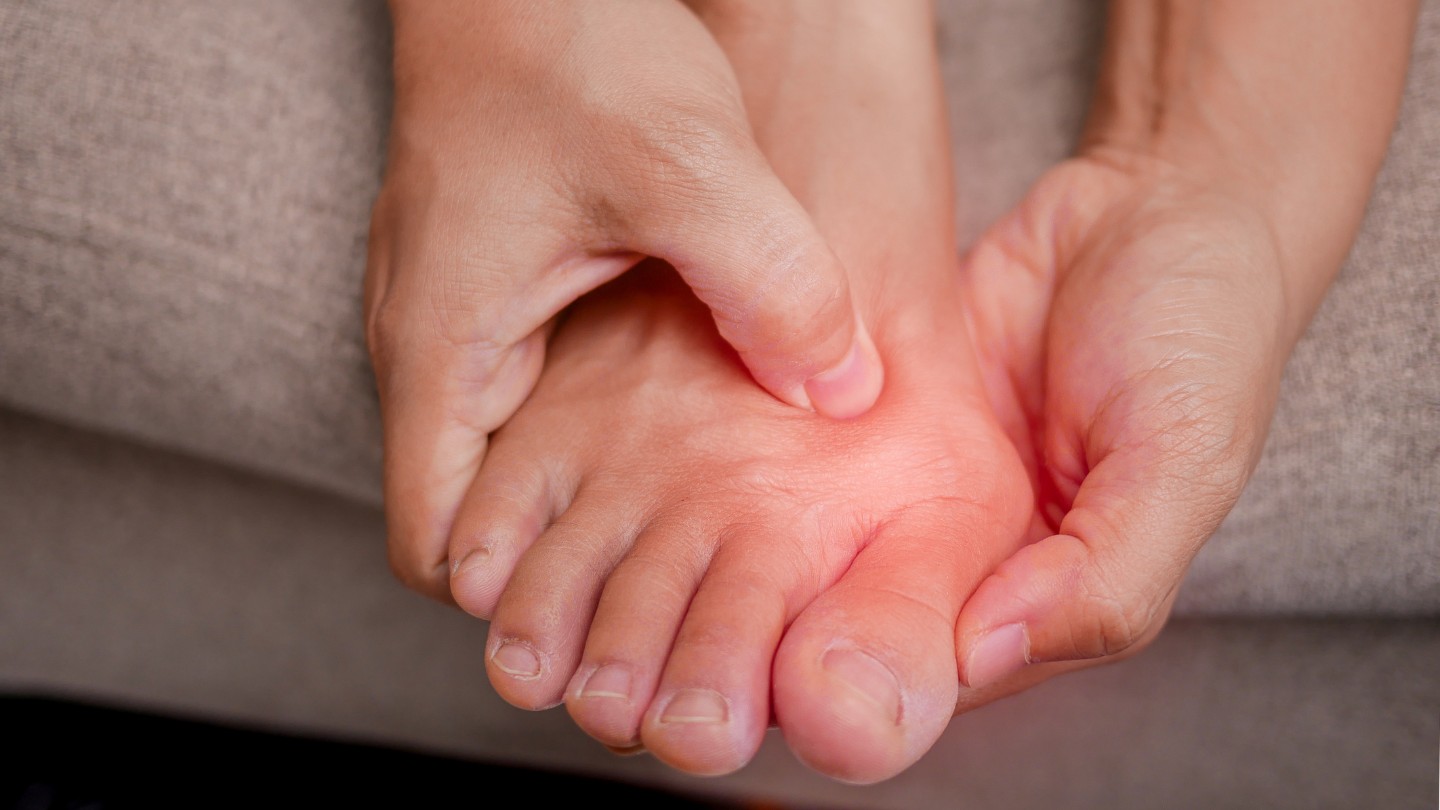
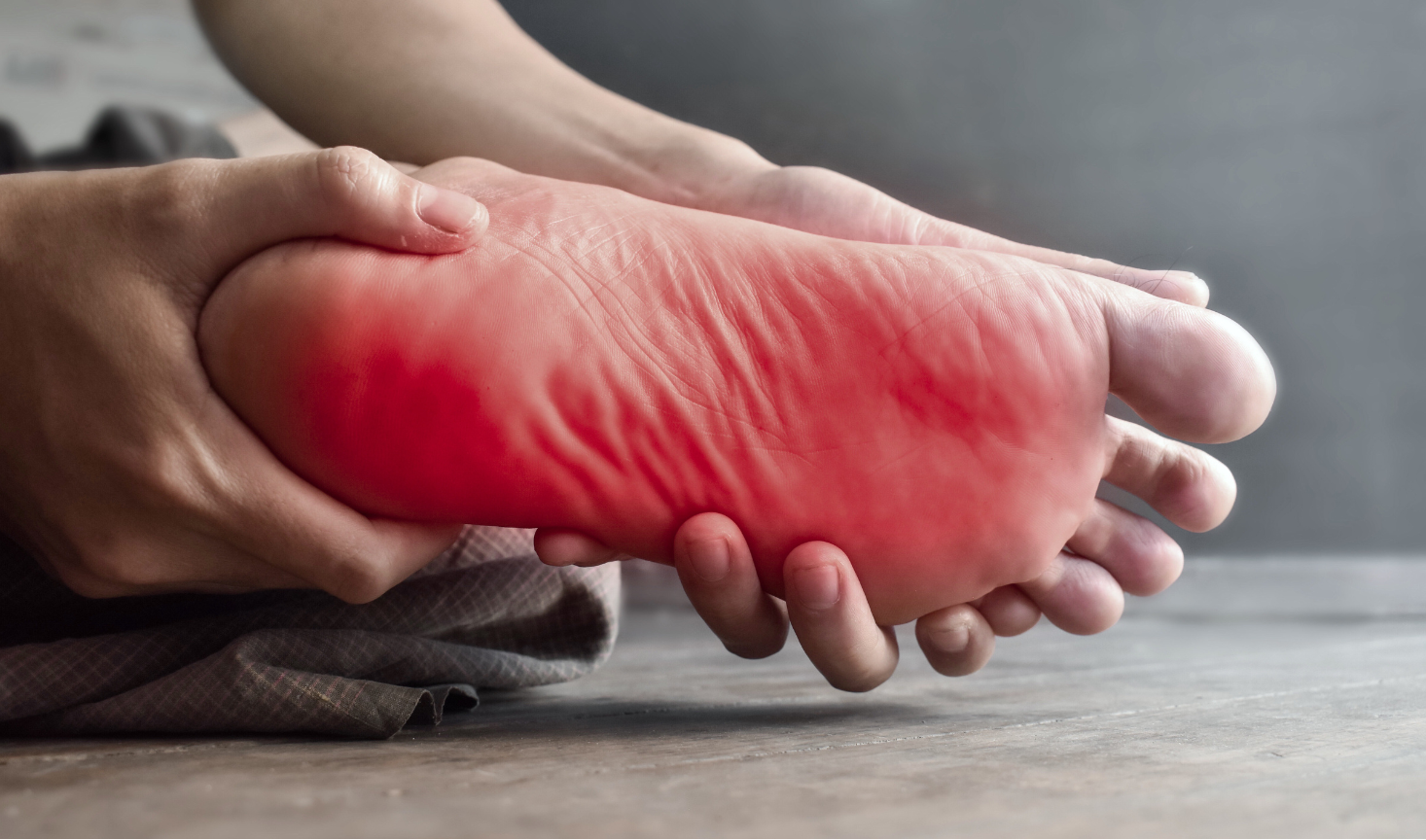
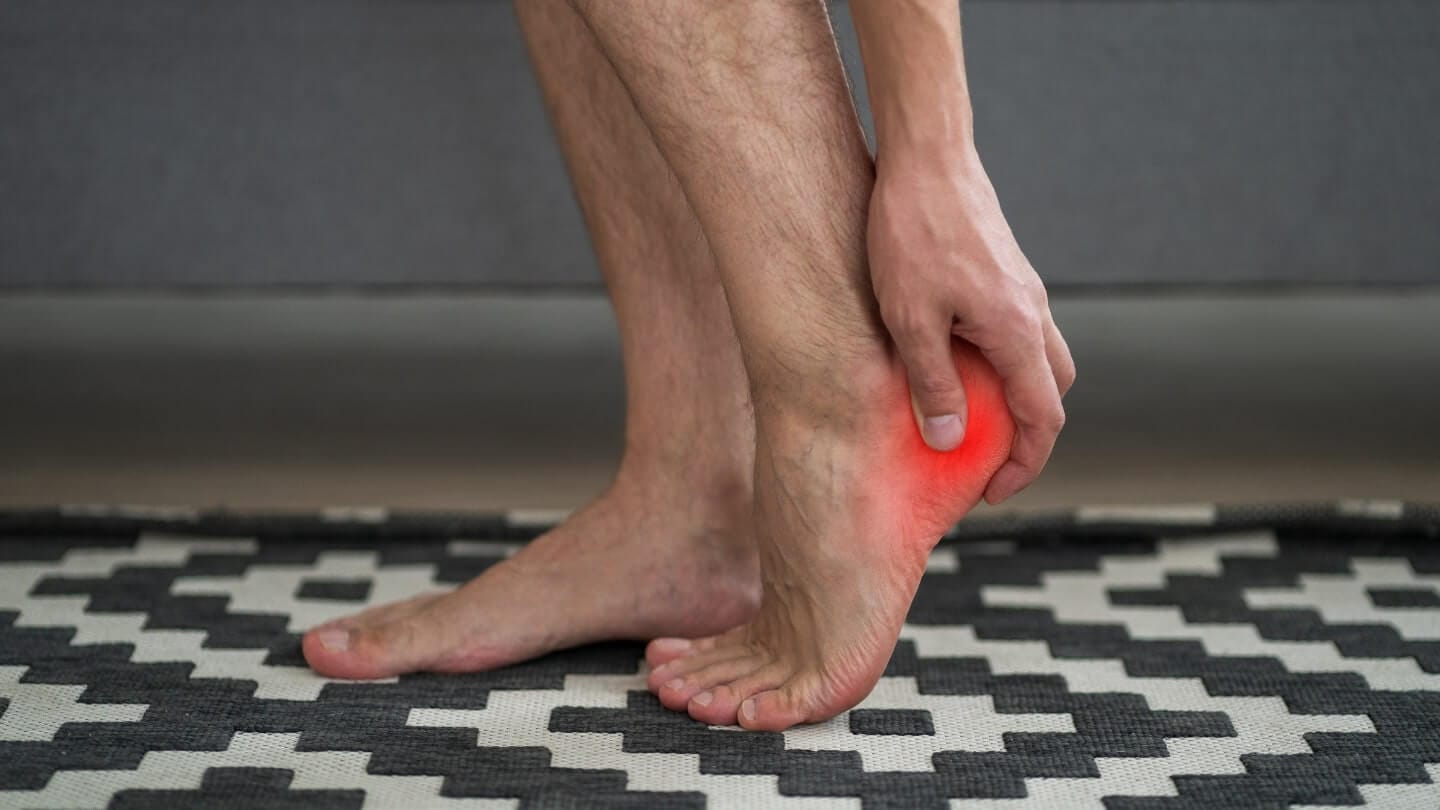
Have you ever felt a small, hard patch of skin on your foot that’s sensitive to touch or makes walking a bit uncomfortable?
This may have been a corn, a common foot condition that many people experience at some point in their lives. While corns aren’t usually serious, they can become bothersome if not addressed properly.
What are corns?
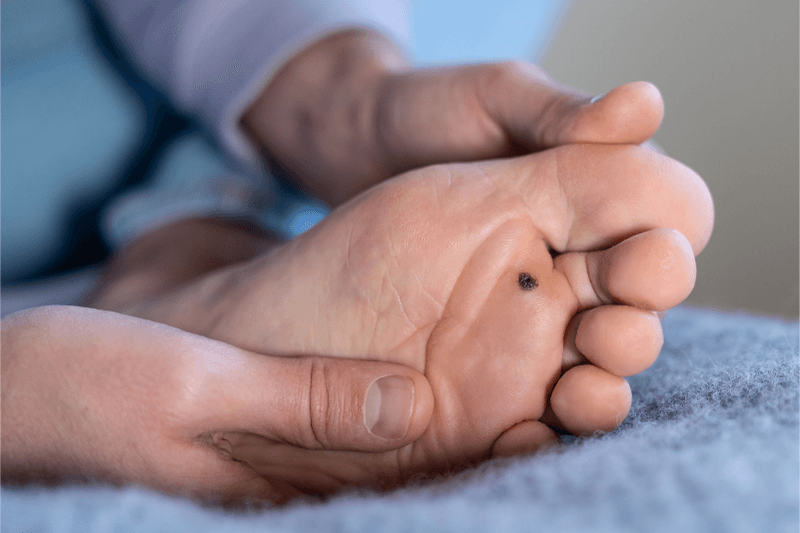
A foot corn is a small area of thickened skin that forms as a result of repeated friction or pressure. It is your skin’s way of protecting itself. Corns usually have a central core and are often firmer than the surrounding skin, which can make them feel quite tender when pressed.
People often confuse corns with calluses, but the two are slightly different. Calluses are usually larger and more spread out, while corns tend to be smaller and more defined. Corns commonly appear:
- On the tops or sides of toes
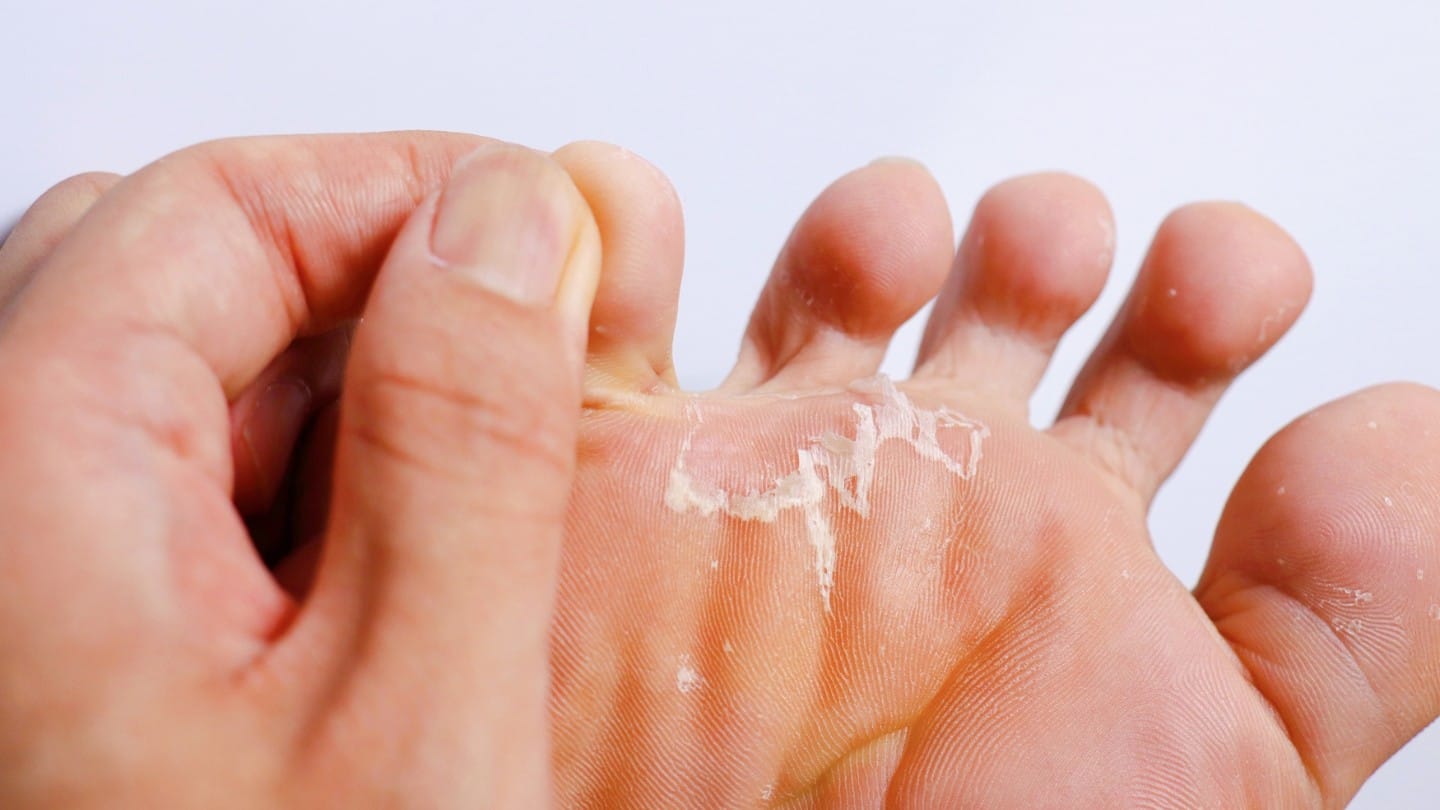
- Between toes (often called soft corns)
- On the soles of the feet, particularly under pressure points
They may look like a raised bump or hardened patch of skin and can sometimes be surrounded by slightly inflamed skin.
Why do we get corns on our feet?
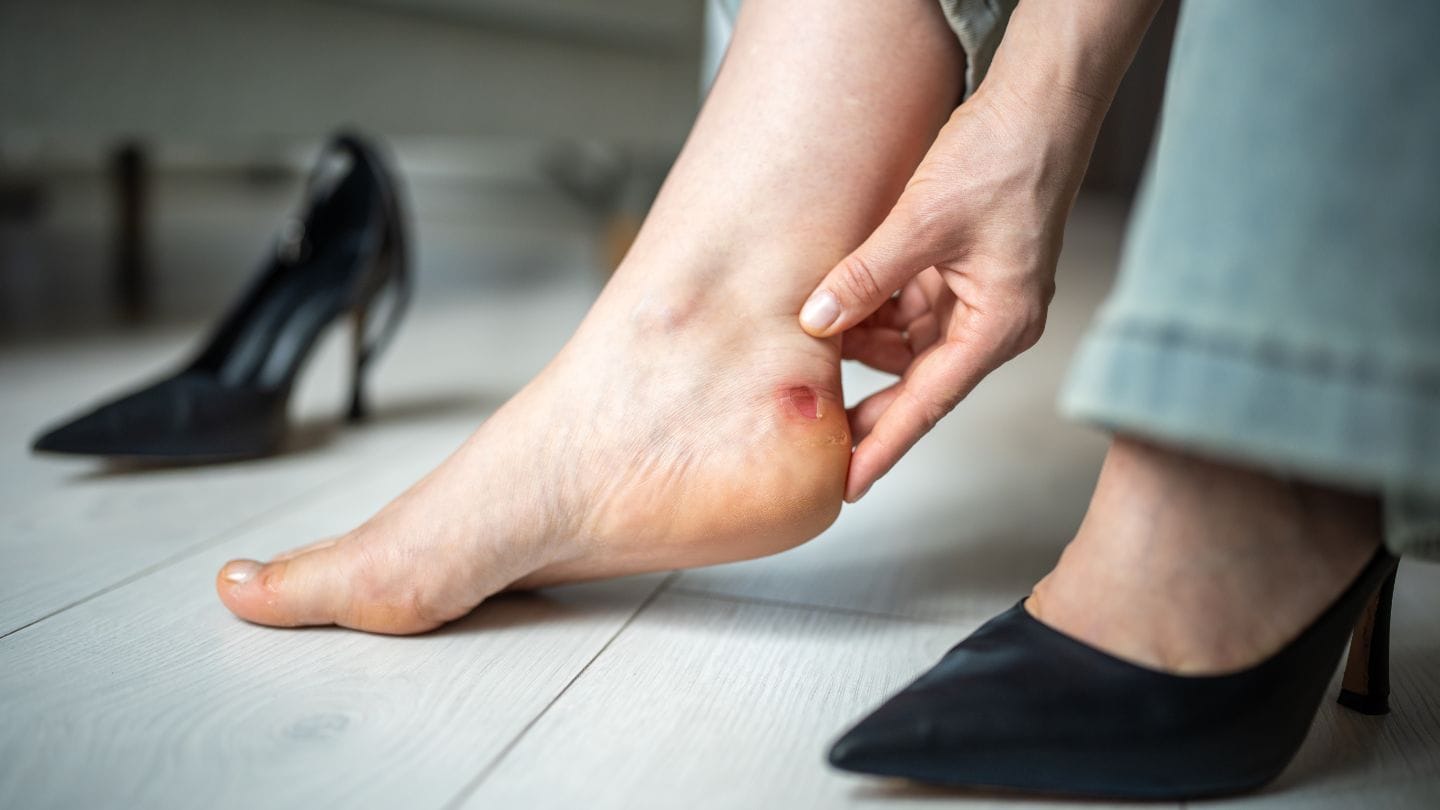
The most common cause of corns is footwear that doesn’t fit well. If you wear shoes that are too tight or too loose, they can create pressure points or cause rubbing. Over time, this pressure might lead to skin hardening in a specific area.
Other factors that may contribute to corn development include:
- Foot structure: Conditions such as bunions, hammertoes or bone spurs can lead to parts of the foot pressing against the inside of a shoe
- Walking patterns: An uneven walking style can place extra pressure on certain areas of the feet
- Going without socks: Wearing shoes without socks increases friction, especially in warm or humid conditions
Can corns go away on their own?
If the source of friction or pressure is removed, a corn may gradually reduce or become less noticeable.
However, most corns do not fully resolve on their own, especially if the underlying cause continues. Without treatment or changes to your routine, they may persist or return. Seeing a podiatrist can help manage symptoms and reduce the chances of recurrence.
Treatment and management
While corns are not usually serious, they can cause discomfort, especially if the underlying pressure or friction continues. Treatment aims to relieve that pressure and support the skin’s natural healing.
A podiatrist can confirm whether the skin thickening is a corn or another condition, such as a wart. Once diagnosed, they may gently remove the thickened skin using a technique called debridement. This should always be done by a qualified professional, as home treatments may increase the risk of injury or infection.
To help prevent the corn from returning, your podiatrist might also recommend practical changes. These could include switching to better-fitting footwear, using soft pads or toe separators, or wearing custom orthotics to help redistribute pressure across the foot. In some cases, a topical treatment may also be suggested to help soften the affected skin over time.
How Hong Kong Foot Clinic can help
At Hong Kong Foot Clinic, our team of qualified podiatrists takes a personalised approach to treating foot concerns, including corns.
Whether you have recently noticed a corn or have been managing recurring issues for a while, we’re here to help guide you through your options and support your ongoing foot health. Contact us to book a consultation.
Disclaimer
All information is general and not intended as a substitute for professional advice. Hong Kong Foot Clinic can consult with you regarding your individual health needs.
References
- Healthline, Treating and Preventing Foot Corns, https://www.healthline.com/health/foot-corn, Accessed 26 August, 2025.
- Cleveland Clinic, Corns and calluses, https://my.clevelandclinic.org/health/diseases/16896-corns-and-calluses, Accessed 26 August, 2025.