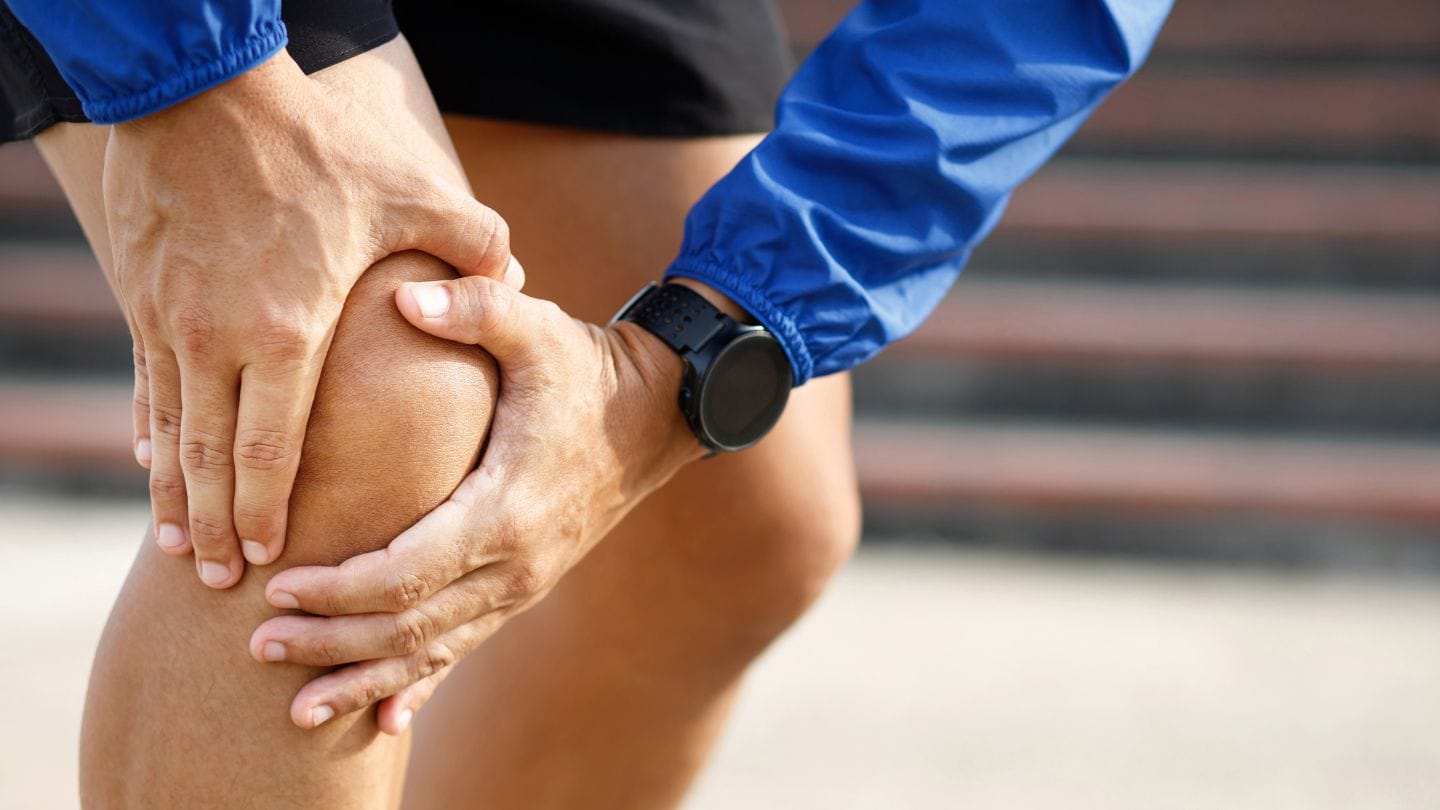
It’s not uncommon to experience muscle fatigue in your legs after an outdoor run or a long day on your feet. But if pain along your shins becomes sharp and persistent, there may be more at play.
Shin splints are one of the most common overuse injuries of the lower leg. While they are often associated with exercise, they can affect anyone who increases their activity level too quickly or spends long periods on hard surfaces.
What are shin splints?
Shin splints occur when the muscles, tendons and connective tissues along the front or inner edge of the tibia (or shinbone) become irritated and inflamed. The pain may feel dull and achy at first, before progressing to a sharper, more constant discomfort during movement.
Many people describe shin splints as a deep tenderness that flares when walking, running or jumping. The affected area may also feel sore to touch or slightly swollen. Over time, shin splint pain can make it difficult to continue exercising or even to perform everyday activities comfortably.
What causes shin splints?
Shin splints develop when the lower leg is placed under repeated stress without enough time for recovery. This can happen for a number of reasons, including:
- Increasing your training intensity or distance too quickly
- Running or walking on hard or uneven surfaces
- Wearing shoes that do not provide adequate cushioning or support
- Flat feet or excessive inward rolling of the feet (overpronation)
- Tight calf muscles or weak stabilising muscles around the hips and core
- Poor running technique or posture
These factors combine to create small amounts of trauma in the tissues surrounding the shinbone. When the body does not have enough time to repair that damage, inflammation and pain can develop, leading to shin splints.
Shin splints or something else?
Not all pain in the lower leg is caused by shin splints. Some conditions can mimic shin splint symptoms but may require different management. For example:
- Shin splints cause a widespread ache along the shin that usually improves with rest.
- Stress fractures cause sharp, pinpoint pain that worsens when pressure is applied to a specific spot on the bone.
- Compartment syndrome creates a sense of tightness or burning, sometimes with numbness or tingling during exercise.
If symptoms persist, worsen with rest or feel severe, it is important to have your condition professionally assessed.
Treatment for shin splints
Mild cases of shin splints can often be managed at home with a short period of rest and activity modification. Taking a temporary break from high-impact exercise allows the inflamed tissues to settle. Applying ice packs to the affected area for short intervals after activity can also help to manage pain, reduce swelling and support recovery.
If symptoms persist, a podiatrist can assess contributing factors such as footwear, training load and muscle strength. Treatment may include modifying your exercise routine, improving footwear support or using temporary orthotics to reduce pressure on the shins. Targeted stretching and strengthening programs for the calves and lower legs can also help to support recovery and prevention.
Avoiding shin splints: exercises and stretches
Simple adjustments to your routine and incorporating shin splint stretches can help to reduce your risk of developing shin splints. Warm up and cool down before and after each session to prepare and protect the muscles.
- Build up gradually if you are increasing your mileage or intensity, aiming for small, sustainable changes.
- Strengthen the lower legs through calf raises, toe lifts and balance training to support stability.
- Stretch regularly to maintain flexibility in the calves and Achilles tendon.
- Check your footwear and replace shoes once they lose their support or cushioning.
When should I see a podiatrist?
Mild shin splints typically improve with rest and self-care. However, if recovery time extends beyond a few weeks, or if you find it difficult to continue exercising without pain, a podiatrist can help identify the underlying cause.
Your podiatrist can assess your gait, review your footwear and check for structural or biomechanical issues that may be contributing to the problem. From there, we can develop a tailored management plan, which may include orthotics, footwear advice and guided exercise.
How we can help
At Hong Kong Foot Clinic, our podiatry team provides comprehensive care for sports and overuse injuries, including shin splints and other lower leg pain conditions.
If you are experiencing shin splint pain or ongoing discomfort that limits your training or daily activity, contact us to book a consultation.
Disclaimer
All information is general and not intended as a substitute for professional advice. Hong Kong Foot Clinic can consult with you regarding your individual health needs.
References
- Mayo Clinic, Shin splints, https://www.mayoclinic.org/diseases-conditions/shin-splints/symptoms-causes/syc-20354105, Accessed 3 November 2025.
- Cleveland Clinic, Tibia, https://my.clevelandclinic.org/health/body/23026-tibia, Accessed 3 November 2025.
- Cleveland Clinic, Shin Splints: Symptoms and Causes, https://my.clevelandclinic.org/health/diseases/17467-shin-splints#symptoms-and-causes, Accessed 3 November 2025.
- Healthline, Overpronation, https://www.healthline.com/health/overpronation, Accessed 3 November 2025.
- Healthline, All About Stress Fractures of the Shin, https://www.healthline.com/health/bone-health/stress-fracture-shin, Accessed 3 November 2025.
- Cleveland Clinic, Compartment Syndrome, https://my.clevelandclinic.org/health/diseases/15315-compartment-syndrome, Accessed 3 November 2025.
- Healthdirect, Shin splints, https://www.healthdirect.gov.au/shin-splints#treated, Accessed 3 November 2025.