Living in Hong Kong’s humid climate, it’s common for feet to feel hot, sweaty, or uncomfortable after a busy day. After a long commute, a workout, or hours spent in enclosed shoes, you might notice that foot odour lingers even with regular washing and fresh socks.
For some people, this can become more than just a minor annoyance. It can affect confidence, social situations and day-to-day comfort.
While sweaty feet are common in humid climates, persistent odour can sometimes point to an underlying fungal skin infection such as athlete’s foot, also known clinically as tinea pedis.
It’s important to recognise the difference between normal sweating and a fungal infection, as symptoms can often get worse if not managed early.
When Foot Odour Becomes More Than Sweat
Foot odour is usually caused by a mix of sweat and bacteria. In humid environments like Hong Kong, moisture trapped inside shoes and socks creates the ideal conditions for both bacteria and fungi to thrive.
Excessive sweating, also known as hyperhidrosis, can cause feet to smell unpleasant without infection being present. However, when odour is combined with itching, peeling skin, redness, or irritation, this may indicate tinea pedis.
Common athlete’s foot symptoms include:
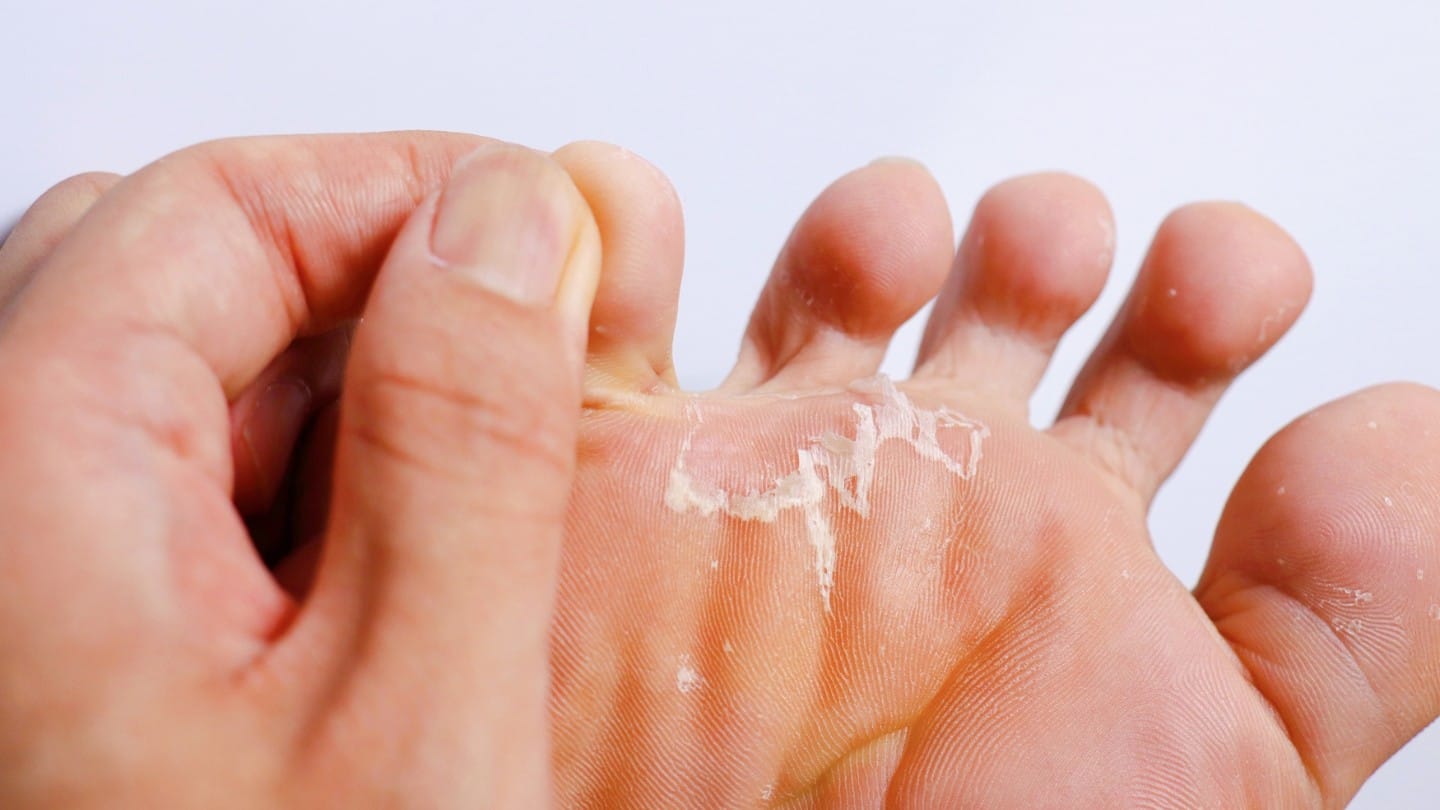
- Itchy or burning skin between the toes
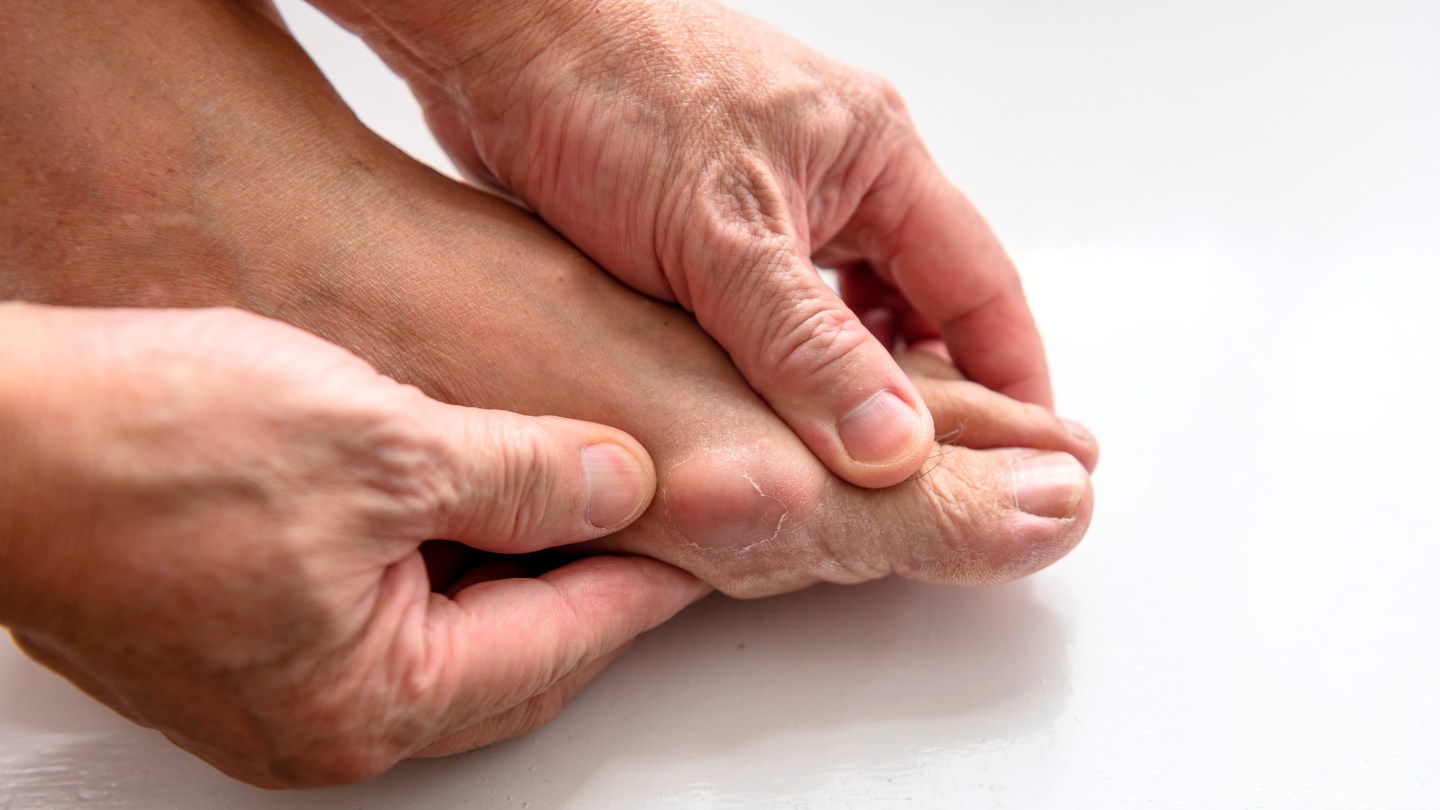
- Dry, peeling, or cracked skin
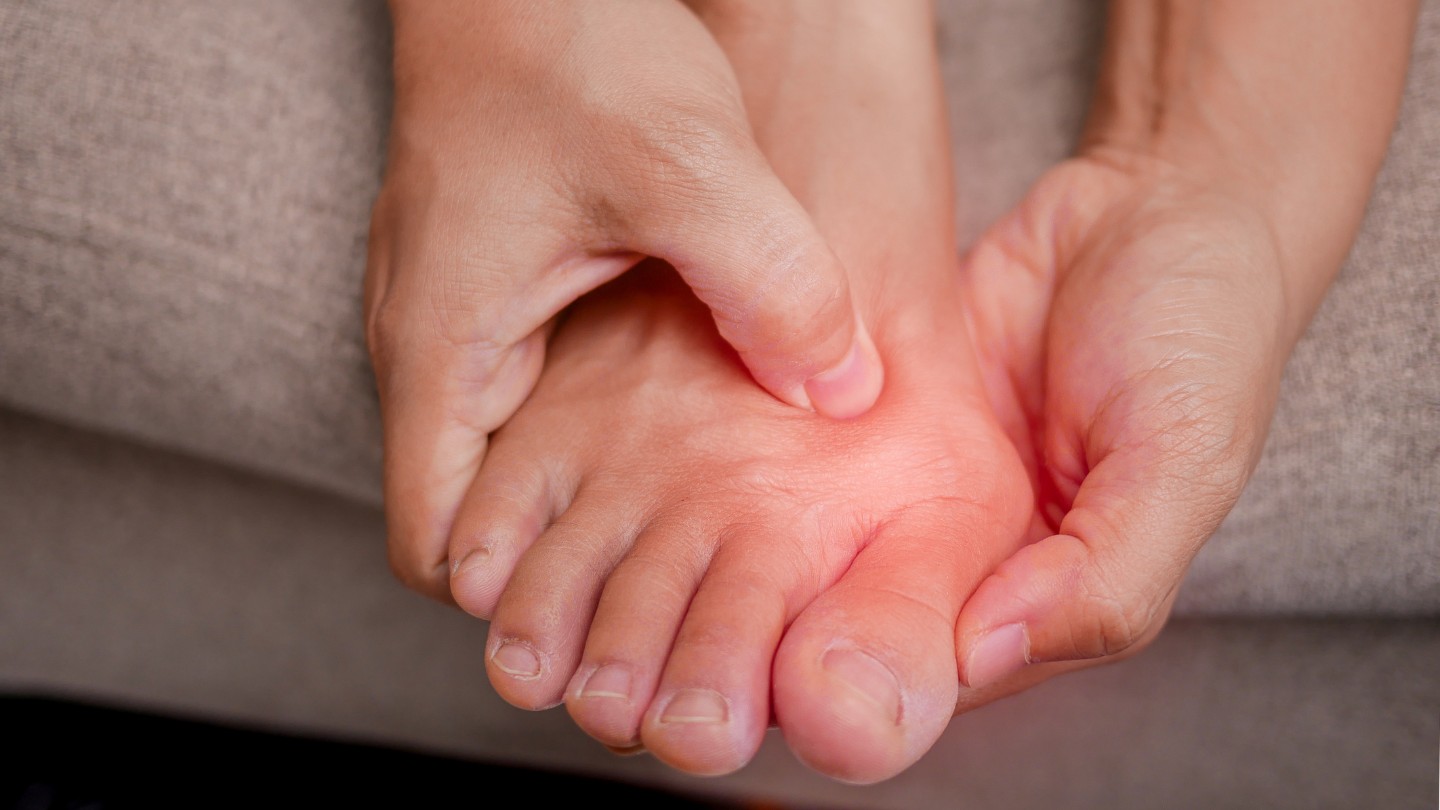
- Redness or irritation
- Flaking skin on the soles of the feet
- Persistent odour despite regular washing
- In some cases, painful tinea pedis blisters
The condition is caused by a tinea pedis fungus, which thrives in warm, damp environments such as gyms, communal showers, sweaty footwear, and humid climates. Because symptoms can start mildly, many people mistake early athlete’s foot for dry skin or irritation caused by sweating.
Why Some Home Remedies Can Make Things Worse
When people search online for an athlete’s foot remedy, they often come across home treatments involving vinegar soaks, essential oils, harsh scrubs, or even bleach-based mixtures.
While some of these remedies might reduce odour for a short time, most do not treat the underlying fungal infection. In some cases, they can actually irritate the skin and weaken its natural barrier, making it easier for the infection to spread.
Using powders or sprays to cover up odour, without treating the real cause, can delay proper care and allow the infection to continue.
This is especially important in humid conditions, where fungi can keep growing quickly if moisture stays trapped around your skin.
Understanding how to treat athlete’s foot safely means focusing on both infection management and moisture control rather than relying on short-term masking strategies.
Evidence-Based Strategies for Managing Athlete’s Foot
Effective athlete’s foot treatment usually involves a combination of antifungal care, moisture management and changes to daily habits.
Depending on the severity of the infection, tinea pedis treatment may include topical antifungal creams, powders, or sprays recommended by a healthcare professional.
Daily foot care is also essential for both recovery and long-term comfort.
Here are five simple strategies that can help:
- Drying thoroughly between the toes after showering
- Changing socks regularly, particularly after exercise
- Wearing breathable footwear where possible
- Rotating shoes to allow them to fully dry between uses
- Avoid walking barefoot in communal wet areas
If you experience recurrent infections, it’s important to look at factors like your footwear choices, sweating patterns, activity levels, and overall skin health. If these underlying issues are not addressed, infections can often return even after symptoms seem to improve.
Managing Feet in Humid Climates
Humidity creates the perfect environment for fungal infections to persist.
Even people with otherwise healthy feet may experience recurring athlete’s foot during warmer months if moisture is not properly managed.
This is why ongoing athlete’s foot prevention is often just as important as treatment itself. Being consistent with daily foot care is more effective than using extreme or aggressive treatments. In most cases, realistic long-term habits work better than quick fixes.
For many people in Hong Kong, making small changes to your daily routine can make a real difference, such as:
- Choosing moisture-wicking socks
- Allowing feet to air out after exercise
- Avoiding wearing damp shoes repeatedly
- Washing and drying feet promptly after sweating
Knowing When to Seek Professional Advice
While mild symptoms may improve with early self-care, ongoing infections should not be ignored.
If odour, itching, peeling skin, or irritation continues despite your best efforts at home, it’s a good idea to seek professional assessment. Ongoing fungal infections can spread to other parts of the foot and may increase the risk of nail infections or skin problems.
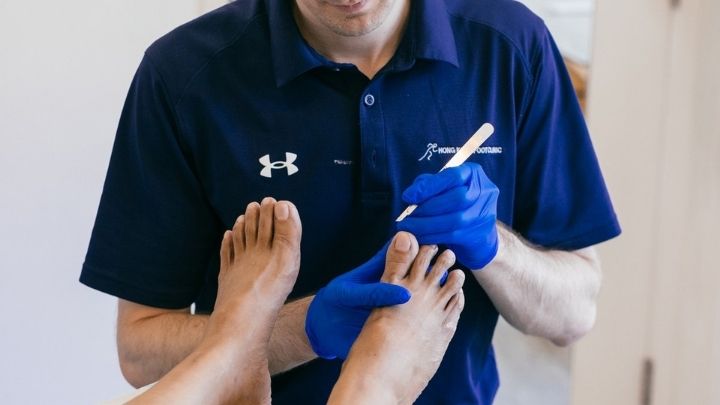
At Hong Kong Foot Clinic, we help patients identify whether their symptoms are related to sweating, fungal infection, or other underlying foot conditions.
Need Support for Ongoing Foot Concerns?
Living in a humid environment means foot care often needs a bit more attention, especially for those with active lifestyles or long hours in enclosed footwear.
The good news is that with the right approach, persistent odour and fungal infections can usually be managed very effectively.
By recognising early athlete’s foot symptoms, avoiding risky home remedies, and following practical daily foot care habits, you can help keep your feet healthy, comfortable, and confident year-round.
If you are experiencing persistent foot odour, itching, or ongoing discomfort, book an appointment with our team to discuss the right management plan for your feet.
Disclaimer
All information is general and not intended as a substitute for professional advice.
References
- Centre for Health Protection. Fungal Infection of the Skin. https://www.chp.gov.hk/en/static/80058.html , [Accessed 18 May 2026].
- Cleveland Clinic. Hyperhidrosis. https://my.clevelandclinic.org/health/diseases/17113-hyperhidrosis , [Accessed 18 May 2026].
- Harvard Health Publishing. Athlete’s Foot (Tinea Pedis). https://www.health.harvard.edu/a_to_z/athletes-foot-tinea-pedis-a-to-z , [Accessed 18 May 2026].
- Medscape. Tinea Pedis Treatment & Management. https://emedicine.medscape.com/article/1091684-treatment , [Accessed 18 May 2026].
- Journal of Fungi. Dermatophyte Infections and Tinea Pedis Management. https://www.mdpi.com/2309-608X/8/4/351 , [Accessed 18 May 2026].