When your feet are in good shape, you stride forward without really thinking about it. You can walk, run or jump, enjoying an active life with your family and friends.
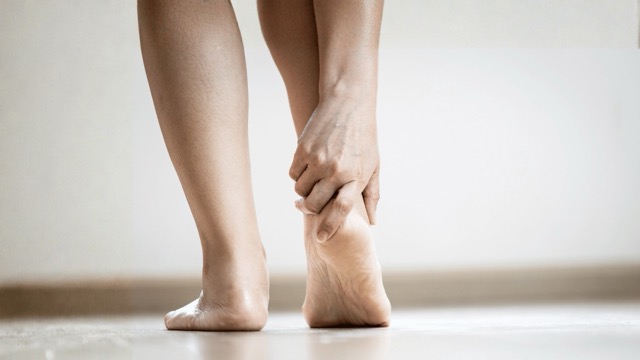
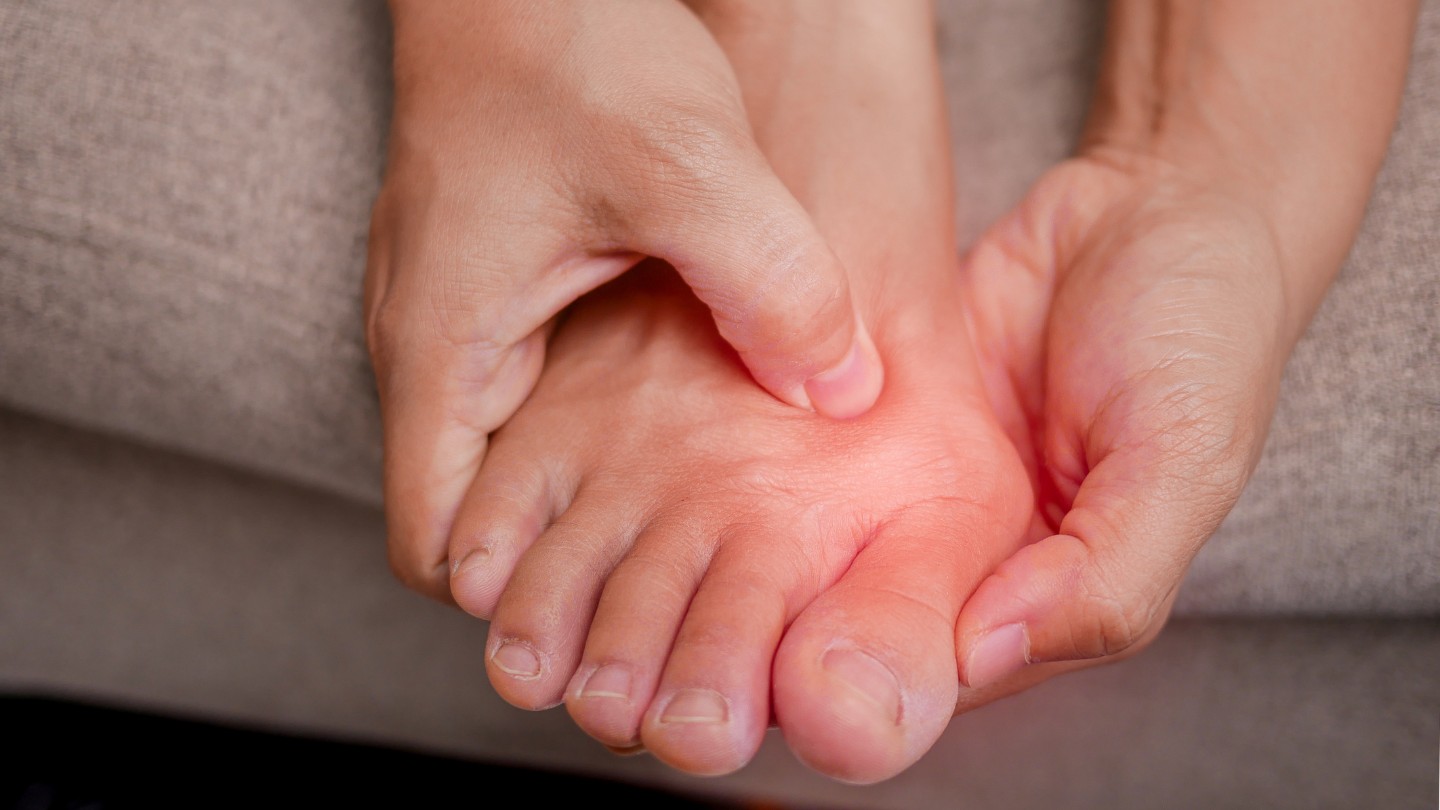
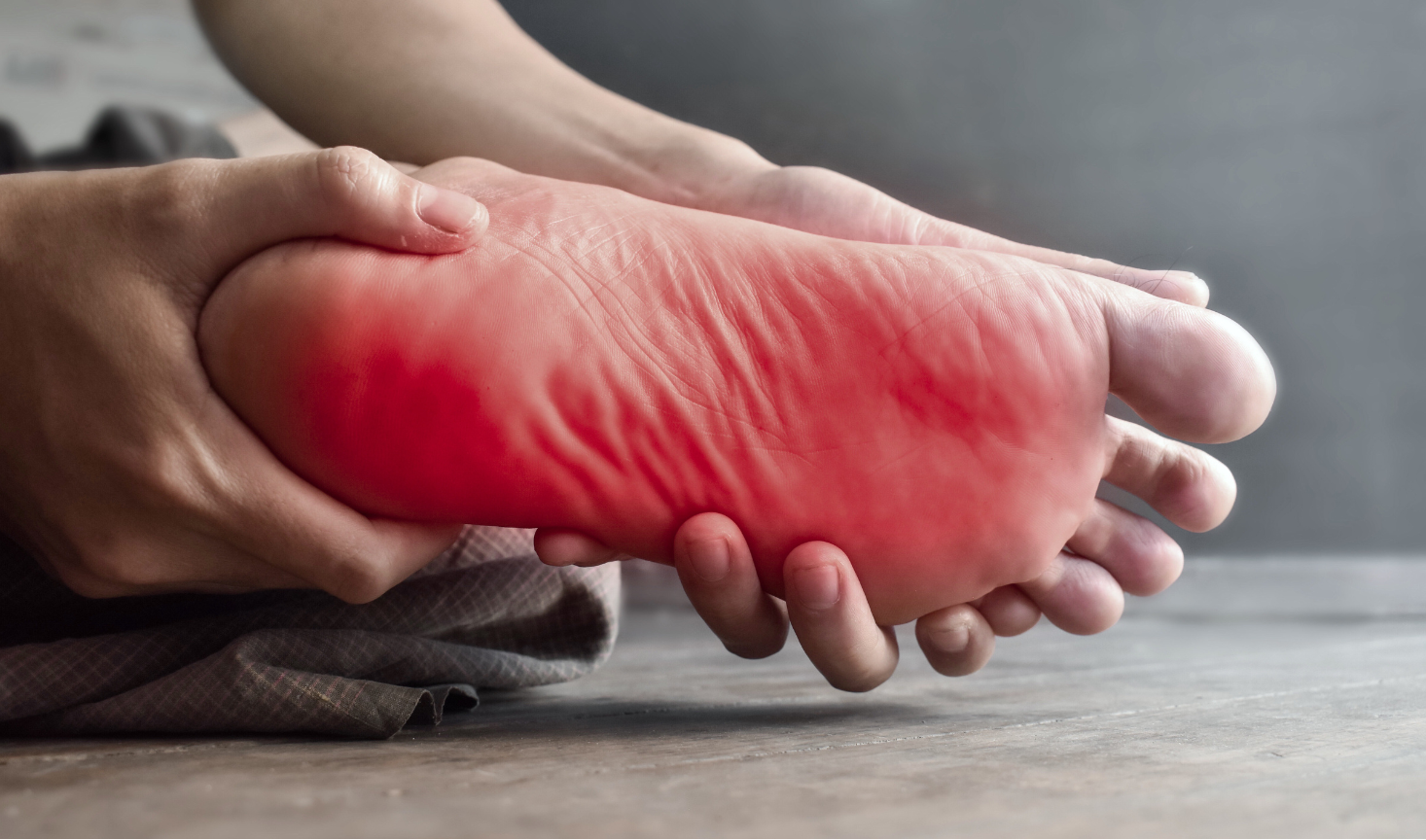
But it’s a different story when your heel hurts. Persistent heel pain can make you count every step, slowing you down and limiting your activities.
So, what’s causing that heel pain? It may be a heel spur.
What is a heel spur?
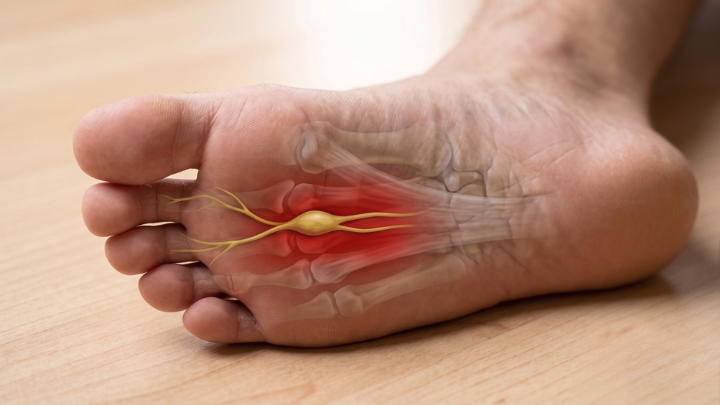
A heel spur is a bony growth poking out from below your heel bone inside your foot. This calcium deposit builds up at the point where your heel bone connects to the plantar fascia, the ligament that runs between your heel and the ball of your foot.
Heel spurs usually form slowly over time due to repeated strain on the heel. As a response, the body deposits extra calcium in the area, which builds up into a small bony lump. The spur itself is not always painful, but it can press on or irritate nearby tissues and cause discomfort, particularly if you also have plantar fasciitis.
Heel spur symptoms
A heel spur may cause symptoms such as:
- Heel pain – though many other conditions can cause this too
- Inflammation
- Swelling at the front of your heel.
In some cases, your heel may also feel warm to the touch.
Diagnosis usually involves a heel spur X-ray, as the bony overgrowth under your heel is typically clear on imaging. That said, heel spur pain and other symptoms aren’t always present, and spurs are sometimes detected incidentally during tests for other foot issues.
Are heel spurs and plantar fasciitis the same thing?
While many people may have both at once, heel spurs and plantar fasciitis are two distinct conditions.
A heel spur is a calcium deposit (bony overgrowth) on your heel bone.
Plantar fasciitis is an inflammation of the plantar fascia, the thick ligament that runs from your heel to your toes. It can happen if you’ve overstrained your foot.
What causes heel spurs?
Heel spurs may result from long-term strain, which gradually wears out the soft tissues in the heel.
You may be at higher risk of developing a heel spur if you:
- Have bruised or injured your heel
- Often walk, run or jump, especially on hard surfaces
- Are older, female or overweight
- Wear ill-fitting, unsupportive shoes
- Have underlying medical conditions like arthritis or plantar fasciitis.
What about foot biomechanics?
The biomechanics of your foot can also influence the development of heel spurs and other conditions like plantar fasciitis.
If the arch of your foot tends to collapse when you walk, this means your soft tissues need to stretch more than they usually would. That may increase tension around your heel.
Heel spur treatment
Heel spurs are often managed using approaches similar to those for plantar fasciitis. Treatment options may include:
- Resting your heel
- Strapping your foot to offload it
- Cushioning your heel
- Taking over-the-counter anti-inflammatory medication
- Wearing custom-made orthotics to help improve your biomechanics and relieve strain on your feet
- Lifestyle changes such as weight loss
- Physiotherapy
- Surgery to support plantar fasciitis and, indirectly, ease heel spurs.
Preventing heel spurs
Preventing a heel spur (or preventing it from worsening) may involve:
- Wearing your orthotics
- Running on soft grass rather than hard concrete, if you can
- Never going barefoot on hard floors
- Not being on your feet as much
- Maintaining a healthy weight
- Heel spur exercises, such as foot flexes and calf stretches.
How can we help?
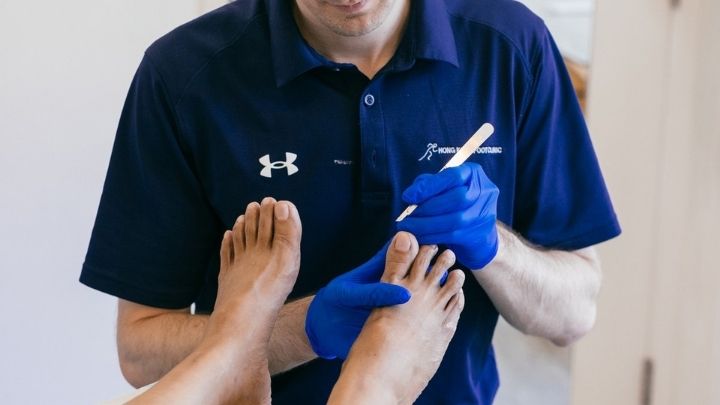
At Hong Kong Foot Clinic, we’re here to support you by providing personalised care for conditions like heel spurs.
We offer general and sports podiatry and can prescribe and make customised orthotics to improve your foot biomechanics.
Book an appointment today.
Disclaimer
All information is general and not intended as a substitute for professional advice. Hong Kong Foot Clinic can consult with you regarding your individual health needs.
References
- Healthline, Heel Spurs, https://www.healthline.com/health/heel-spurs, Accessed 8 September, 2025.
- Cleveland Clinic, Heel Spurs, https://my.clevelandclinic.org/health/diseases/21965-heel-spurs, Accessed 8 September, 2025.
- Mayo Clinic, Plantar fasciitis, https://www.mayoclinic.org/diseases-conditions/plantar-fasciitis/symptoms-causes/syc-20354846, Accessed 8 September, 2025.
- Better Health, Foot problems – heel pain, https://www.betterhealth.vic.gov.au/health/conditionsandtreatments/foot-problems-heel-pain, Accessed 8 September, 2025.
- Physiopedia, Calcaneal Spurs, https://www.physio-pedia.com/Calcaneal_Spurs, Accessed 8 September, 2025.
- Healthline, 8 Exercises to Ease Heel Spur Pain, https://www.healthline.com/health/sports-injuries/heel-spur-exercises, Accessed 8 September, 2025.