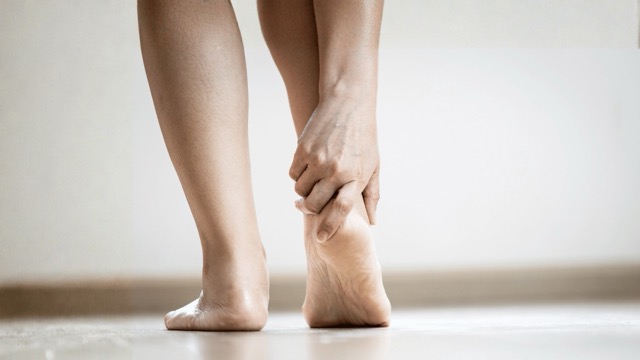
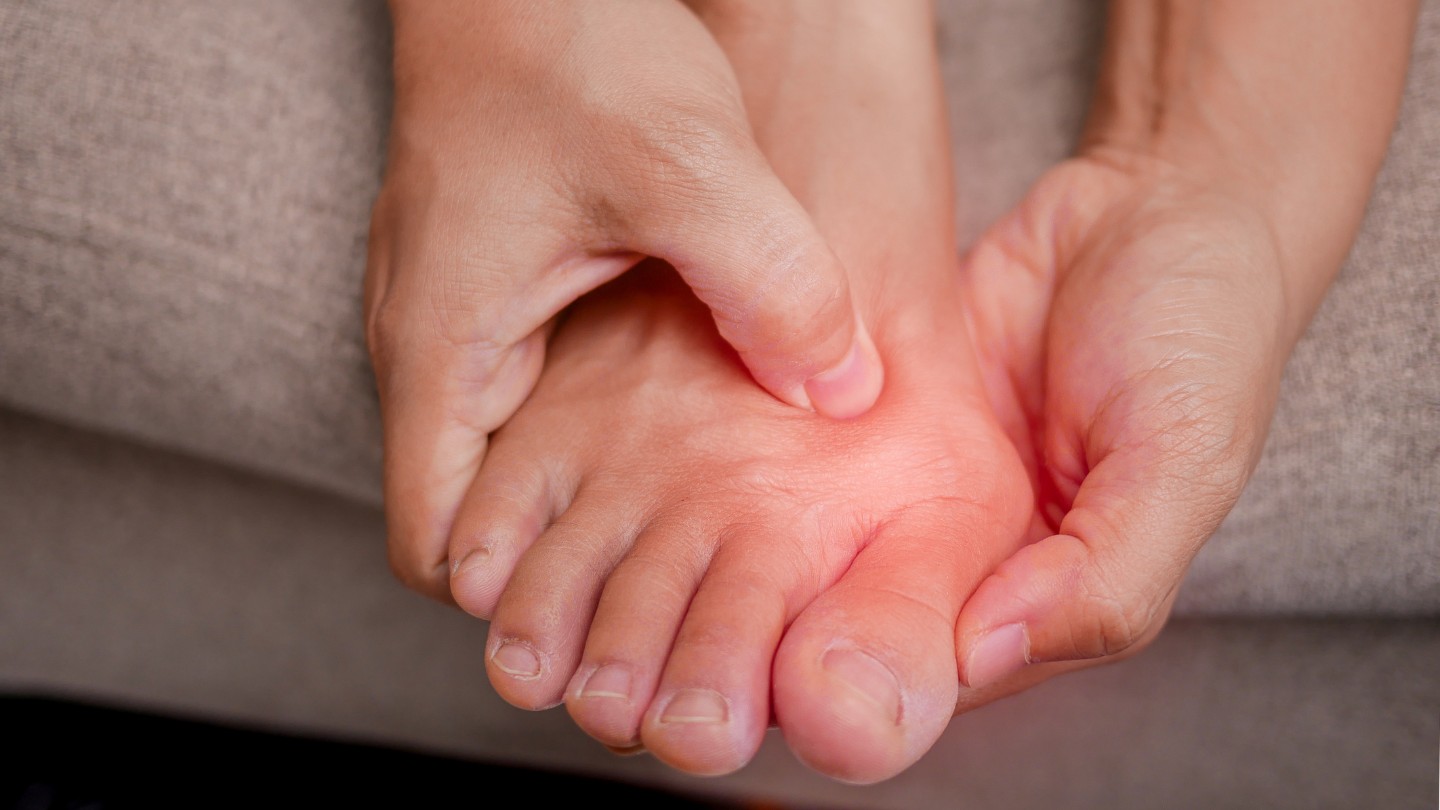
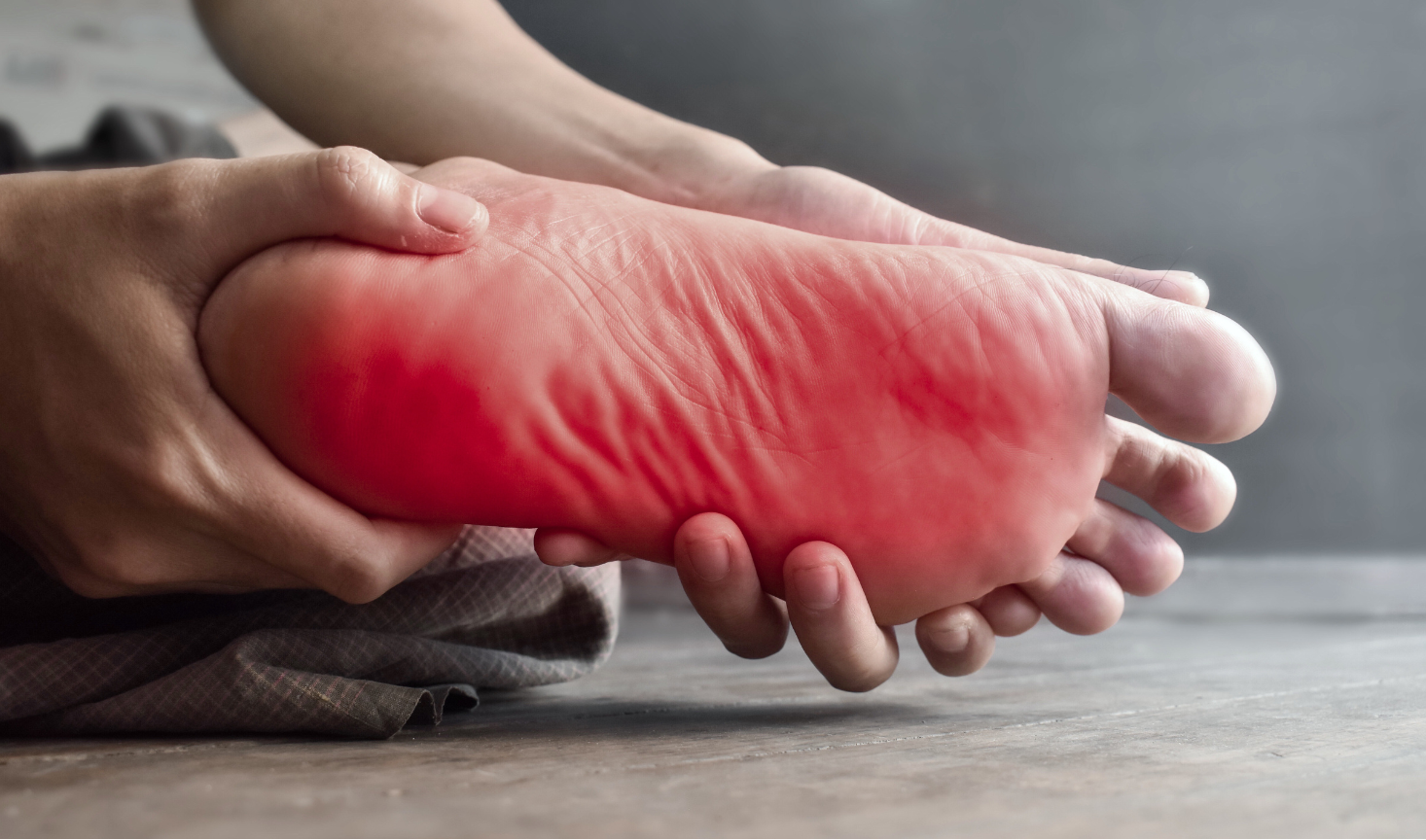
It often starts at the worst possible time. You wake in the middle of the night with sharp pain in your foot, and within hours the joint feels hot, swollen and too tender to touch. Standing is difficult. Walking becomes a problem. Even putting on a shoe can feel like too much.
For many people, that is their first experience of gout in feet.
Anyone who has had a gout flare in the foot knows how disruptive it can be. Because the feet carry your body weight all day, gout’s impact can be hard to ignore. It can interfere with sleep, change the way you walk, make work and exercise difficult, and turn simple daily movement into something you have to think about.
What is gout?
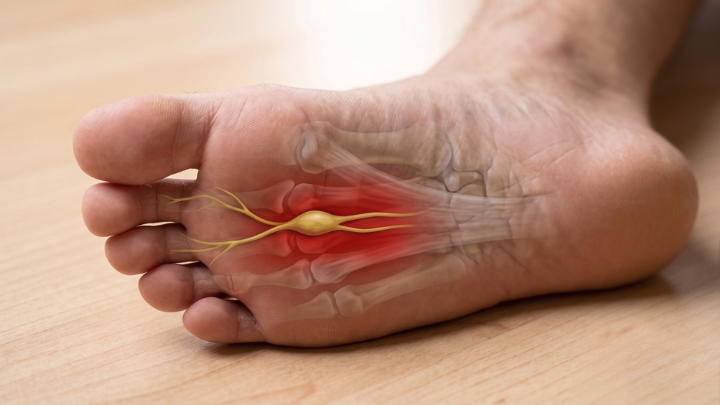
Gout is a type of inflammatory arthritis. It happens when uric acid levels in the body become high enough for crystals to form in a joint. These crystals trigger a strong inflammatory response, which is why gout pain can be sudden, intense and accompanied by redness, swelling and heat. The big toe is one of the most common places for gout to appear, although it can also affect other joints in the foot and ankle.
Unlike general foot soreness that builds gradually after activity, gout symptoms in the feet often arrive quickly and feel severe from the outset. The difference is not just where it hurts, but how suddenly the pain starts and how inflamed the joint becomes.
What causes gout in your feet?
Gout is caused by a build-up of uric acid crystals in the joints. Uric acid is a natural waste product made when the body breaks down substances called purines. Normally, the kidneys filter uric acid from the blood and remove it through urine. When the body makes too much uric acid, or the kidneys do not clear enough of it, levels can rise and crystals can begin to form in the joints.
Several factors can increase the risk of gout, including:
- family history
- kidney disease
- excess weight
- alcohol intake
- certain foods and drinks
- medications, including those often prescribed for high blood pressure
- health conditions including high blood pressure, diabetes and metabolic syndrome
When gout affects the foot, the consequences are often more noticeable because the area is under regular load. A joint that is already inflamed becomes harder to manage when every step places pressure on it.
Does diet affect gout?
Diet can play a role in gout, but it is usually only one part of the picture. Some foods and drinks may trigger a flare in some people, particularly red meat, seafood, beer, spirits and fructose-sweetened drinks, while staying well hydrated and moderating alcohol intake may help reduce the risk of flare-ups.
Diet alone is rarely the whole cause, so it is best thought of as part of broader gout management rather than the only answer.
What are the signs and symptoms of gout in feet?
Common signs and symptoms of gout in feet include:
- sudden, severe joint pain
- swelling around the joint
- redness or visible inflammation
- warmth over the area
- tenderness to touch
- difficulty walking or bearing weight
- reduced movement in the affected joint
The big toe is the most commonly affected site, but gout can also involve other toes, the midfoot, the ankle or the heel region. Symptoms may settle after several days, but repeated flares can occur if gout is not properly managed.
What does gout in the feet feel like?
A gout flare can strike with sudden intensity. It may:
- feel like a throbbing, burning or crushing pain
- feel as if the affected joint is on fire
- wake you up during the night
- make the affected joint feel so tender that even a light bedsheet feels intolerable
That intensity can have a real impact on daily life, affecting your sleep, footwear options and mobility. Work, exercise and general movement can all be affected.
Why does gout often affect the big toe?
While gout can affect many joints, the base of the big toe is often where it strikes first. This is why many people first connect gout with sudden pain in the forefoot rather than with more general joint symptoms elsewhere.
Pain in the big toe can be especially disruptive because it plays an important role in balance and push-off during walking. Even a short flare can alter how you move and place extra strain on other parts of the foot.
Can gout in feet be mistaken for something else?
Yes. Gout in feet can sometimes be mistaken for other causes of foot pain and inflammation, particularly when the area is swollen, red and painful to touch.
Gout symptoms may at first be put down to:
- bunion flares
- soft tissue injuries
- another type of arthritis
- infection
Please seek urgent medical review if your joint pain is accompanied by a very high temperature or you feel unwell.
What are the treatment options for gout in feet?
Gout treatment usually has two aims – settling a flare and helping to prevent future attacks.
During an acute flare, treatment may include over-the-counter anti-inflammatories or prescription medications to reduce inflammation and pain while the joint settles.
Longer-term gout treatment may be recommended for people who have:
- repeated flare-ups
- ongoing high uric acid levels
- tophi (hard, painful deposits of uric acid crystals)
- other complications
In these cases, medical management may involve uric acid-lowering medication to help prevent future crystal formation and reduce the risk of ongoing joint damage.
Lifestyle measures can also play a role in gout management. You may be advised to:
- limit alcohol and drinks high in fructose
- drink more water
- adjust your diet
- reach or maintain a healthy weight
- manage any underlying medical conditions
The right plan varies from person to person, which is why professional guidance is important rather than relying on general advice alone.
How can gout in feet affect walking and daily life?
Because gout often affects a weight-bearing joint, it can have knock-on effects.
During a flare, you may shift the way you walk to avoid pressure on the painful area. This can change gait, reduce mobility and place extra load on surrounding joints and soft tissues. Footwear may become difficult to tolerate, especially if swelling is present in the forefoot or around the ankle.
This can disrupt exercise routines, limit daily activity and make each flare feel harder to ignore.
How can we help?
At Hong Kong Foot Clinic, we can assess how pain, swelling and joint irritation are affecting your foot function, identify whether gout may be contributing to your symptoms, and help you understand the next steps for care.
Our team can assist with:
- assessing painful or swollen joints in the foot and lower limb
- identifying how gout may be affecting the way you walk
- advising on footwear and pressure reduction to improve comfort during a flare
- helping manage strain on surrounding joints and soft tissues caused by altered gait
- supporting longer-term foot health if recurrent flare-ups are affecting mobility or daily activity
If you’re concerned about the possibility of gout in your foot, please book an appointment.
Disclaimer
All information is general and not intended as a substitute for professional advice.
References
- Arthritis Australia, Gout, https://arthritisaustralia.com.au/types-of-arthritis/gout/, [Accessed 20 March 2026]
- Mayo Clinic, Gout symptoms, https://www.mayoclinic.org/diseases-conditions/gout/symptoms-causes/syc-20372897, [Accessed 20 March 2026]
- NHS UK, Gout, https://www.nhs.uk/conditions/gout/, [Accessed 20 March 2026]
- Arthritis Australia, Gout and diet, https://arthritisaustralia.com.au/managing-arthritis/living-with-arthritis/healthy-eating/gout-and-diet/, [Accessed 20 March 2026]
- National Institute of Arthritis and Musculoskeletal and Skin Diseases, https://arthritisaustralia.com.au/managing-arthritis/living-with-arthritis/healthy-eating/gout-and-diet/, Gout: diagnosis, treatment and steps to take, [Accessed 20 March 2026]