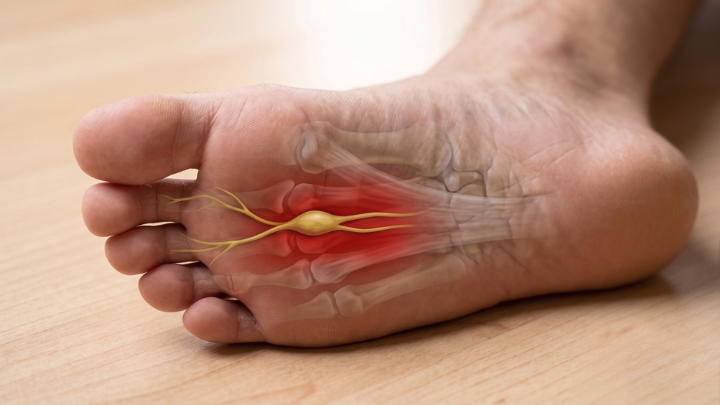
You’re lying in bed, one foot exposed to the open air like a sacrifice to the ceiling fan, because even the weight of a doona has become unbearable. A few days ago, the edge of your big toe started throbbing. Today you slid your shoe off during a meeting and nearly wept with relief, then nearly cried for a different reason when you had to put the shoe back on again!
You wouldn’t think 8 mm of misbehaving keratin could do this to you, but you’re far from the only person to struggle with the pain of an ingrown toenail. This supposedly small problem has an outsized talent for making people wince and hobble.
What is an ingrown toenail?
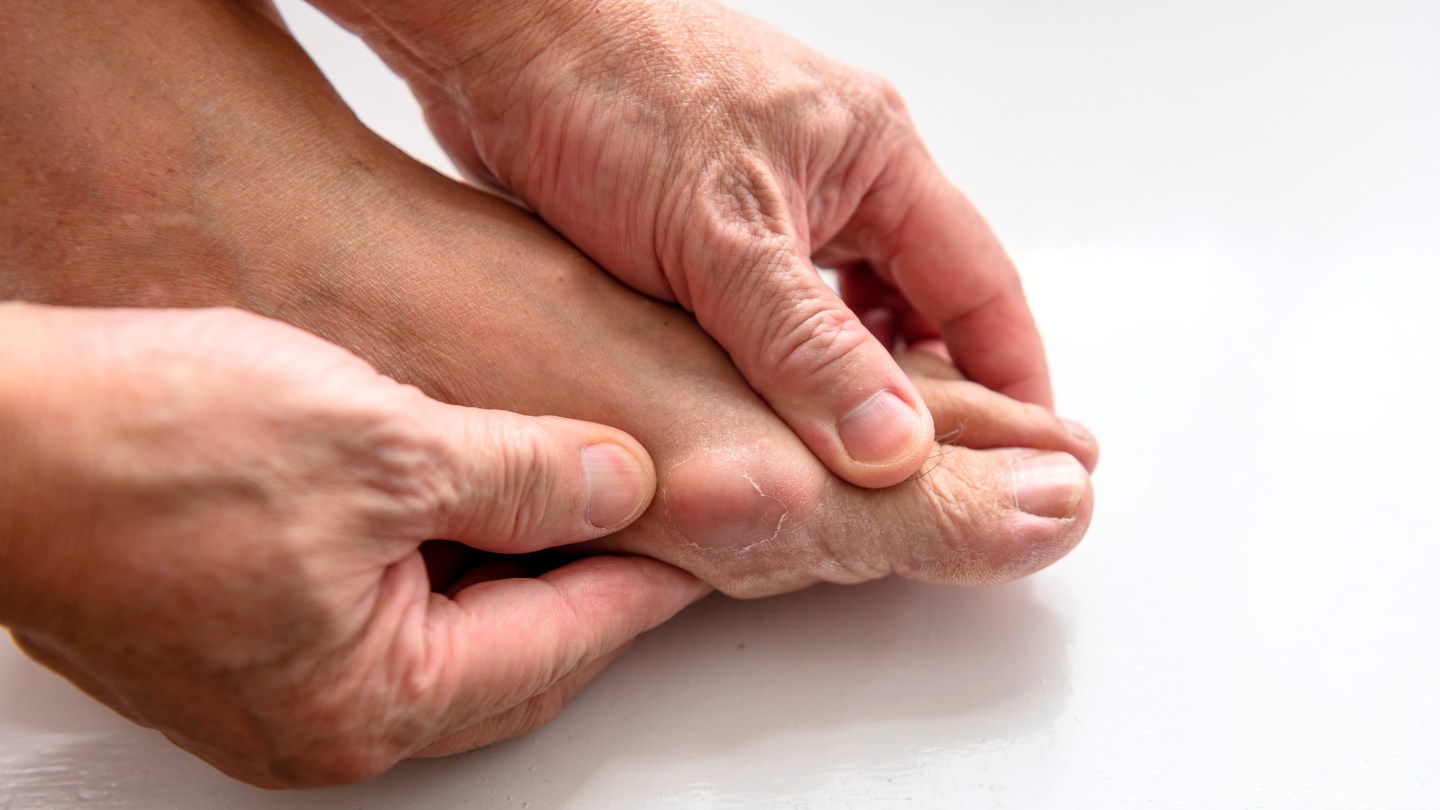
An ingrown toenail develops when the edge or corner of the nail curls downward or grows sideways into the surrounding soft tissue, rather than out over it. It most often affects the big toe, though any toenail can be affected.
Common symptoms include:
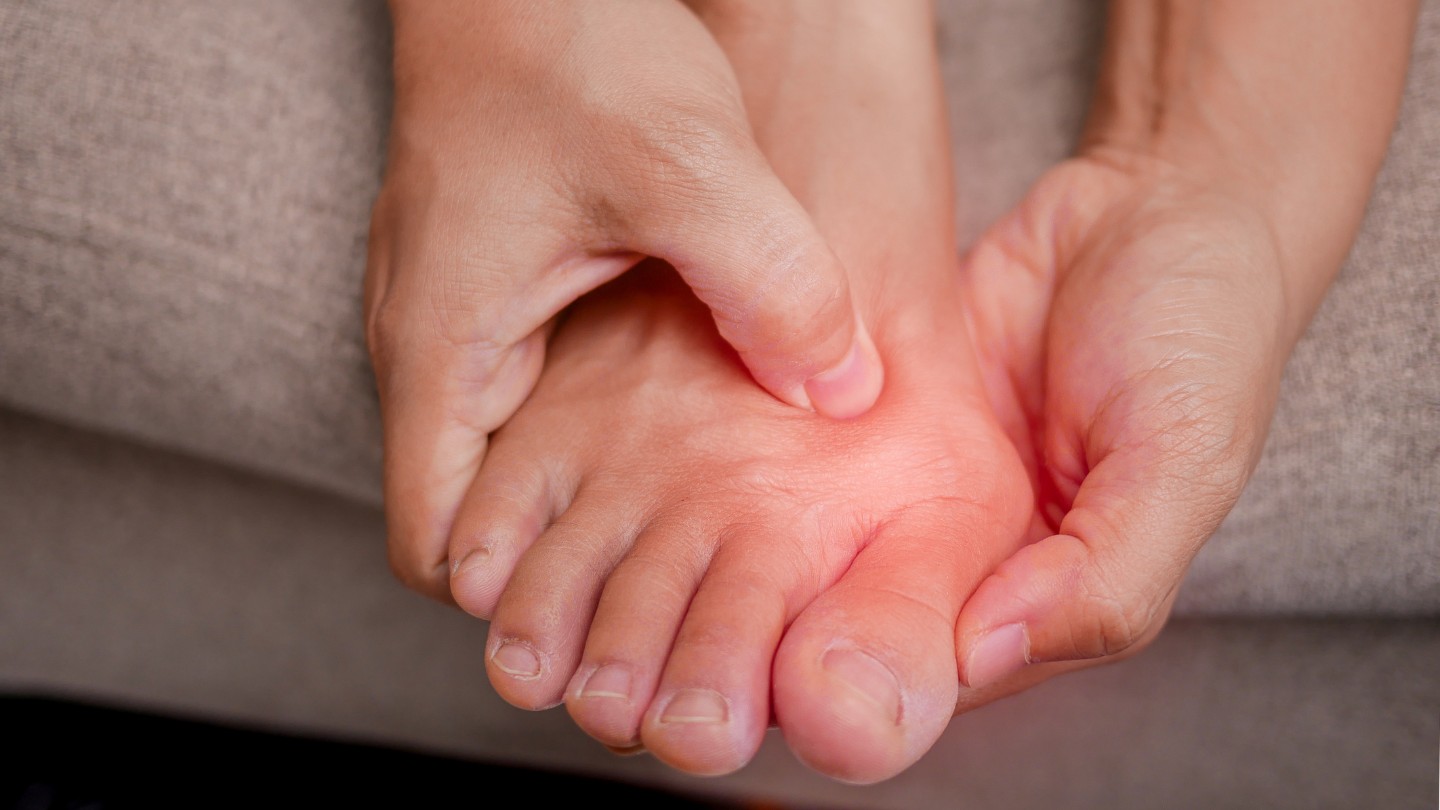
- Pain and tenderness along the side of the nail
- Redness
- Swelling or a feeling of pressure under the affected area
- Signs of infection, such as:
- Warmth around the nail
- A pus-filled abscess where the nail has punctured the skin
- Throbbing pain
- Inflamed skin at the edge of the nail.
What causes an ingrown toenail?
Several everyday habits and physical factors can push a nail edge into the skin:
- Improper trimming: Cutting nails too short, or rounding the corners rather than cutting straight across, encourages the nail to grow into the surrounding skin as it regrows.
- Tight or ill-fitting footwear: Shoes, socks or tights that squeeze the toes together add constant pressure on the nail border.
- Trauma to the toe: Stubbing your toe, having it stepped on, or repetitive impact from running or kicking a ball can all trigger an ingrown nail.
- Naturally curved nails: Some people are simply predisposed to more curved or wider nail plates, which makes ingrowth more likely regardless of trimming technique.
- Underlying conditions: Diabetes or other conditions that affect circulation can make you more prone to an ingrown toenail.
- Sweaty feet: Prolonged moisture softens the surrounding skin, making it easier for the nail to dig in. It’s one reason ingrown toenails are more common in adolescents. And it’s definitely worth remembering in Hong Kong’s humid subtropical climate.
Ingrown toenails are surprisingly common; about 20% of people who see a healthcare professional about a foot problem come for this reason. Thankfully, there are evidence-based treatment approaches.
Ingrown toenail treatment: what are your options?
At-home care (mild cases)
For a mild, uninfected ingrown toenail, we recommend:
- Soaking your foot in warm, salty water a few times a day
- Keeping your toe clean
- Wearing shoes with a wide toe box.
Please don’t go digging under the nail yourself — this rarely fixes the problem and often makes it worse.
Podiatry treatment
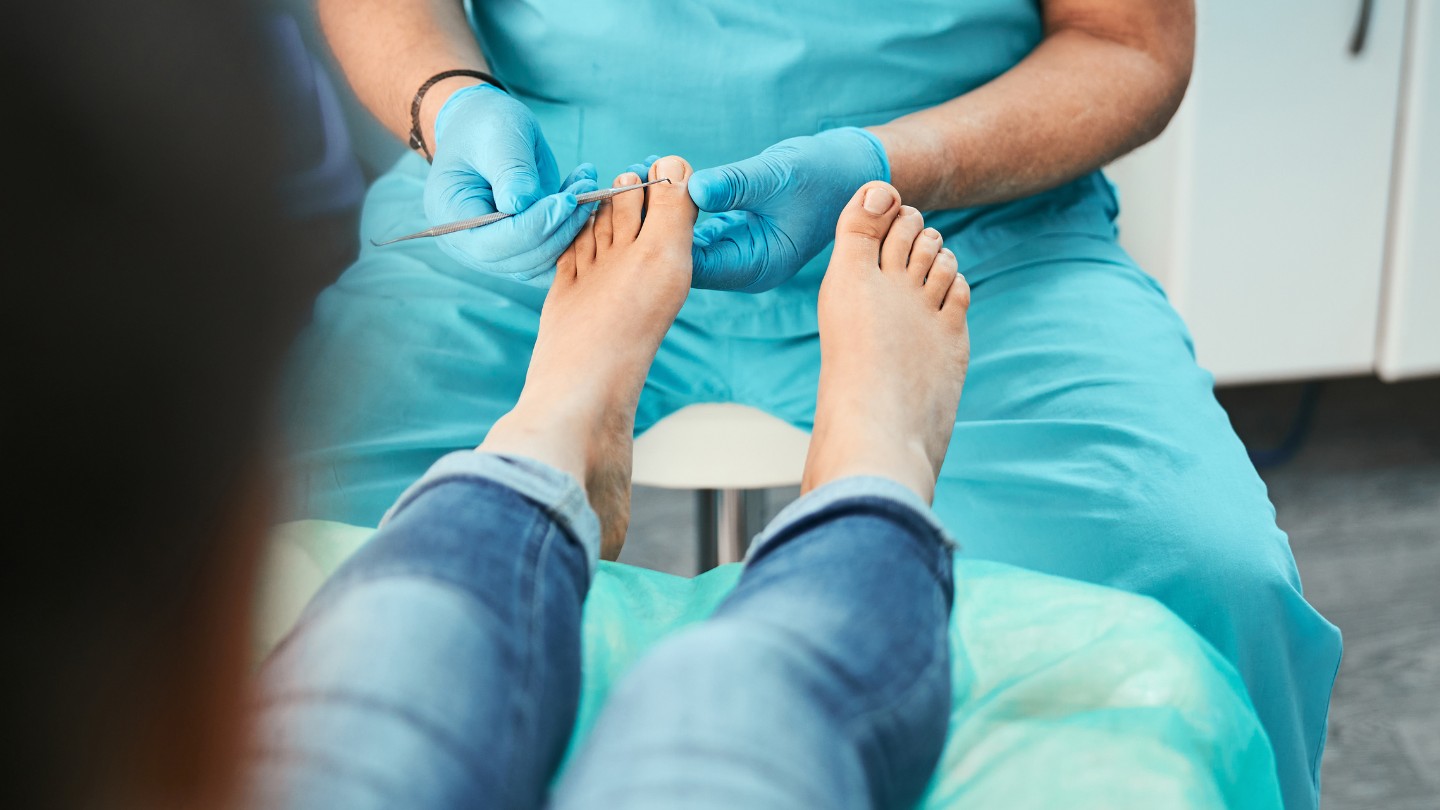
Podiatrists are trained to manage foot and nail conditions, with the sterile equipment needed to remove the offending piece of nail.
At Hong Kong podiatry, your podiatrist may:
- Examine your toe
- Ask about your symptoms, lifestyle and overall health
- Carefully remove the ingrowing piece of nail
- Drain any pus and clean the toe
- Encourage you to see a doctor if you need antibiotics
- Pack a small amount of dressing under the nail edge to guide its regrowth
- Cover the nail with a sterile dressing to prevent infection.
Partial or total nail avulsion
If your ingrown toenail keeps coming back, we may recommend a minor procedure called partial nail avulsion (PNA). This is performed in our clinic under local anaesthetic.
Once your toe is numb, our podiatrist removes the ingrowing strip of nail to ease pain. We also remove the root and add a chemical treatment to prevent regrowth.
The procedure typically takes less than an hour, with full recovery usually within 3-4 weeks.
How to stop ingrown toenails: prevention tips
You can reduce the risk of an ingrown toenail by:
- Trimming your nails correctly: Cut straight across, level with the top of the toe, rather than rounding the corners or cutting too short.
- Wearing well-fitted shoes: Choose footwear with a wide, deep toe box so your toes are not compressed.
- Practising good foot hygiene: Keep feet clean and dry, and change out of damp socks or sports shoes as soon as you can.
- Protecting your toes during sport: If you play soccer, run, or take part in other high-impact activities, make sure footwear fits properly and consider taping vulnerable toes.
When to seek professional help
We’d recommend you consider seeing a podiatrist for an ingrowing toenail assessment if:
- You’re beginning to plan your day around your toe
- Your toe is increasingly painful
- You notice pus, spreading redness or warmth
- You have diabetes, poor circulation or reduced sensation in your feet.
Disclaimer
All information is general and not intended as a substitute for professional advice. Any surgical or invasive procedure carries risks.
References [Accessed 11 August 2026]
- Healthdirect Australia. (2025). Ingrown toenails. https://www.healthdirect.gov.au/ingrown-toenails
- Whelan, C. (2018, December 6). How to identify and treat an ingrown toenail infection. Healthline. https://www.healthline.com/health/ingrown-toenail-infection
- Mayo Clinic Staff. (2025, April 30). Ingrown toenails: Symptoms and causes. https://www.mayoclinic.org/diseases-conditions/ingrown-toenails/symptoms-causes/syc-20355903
- Cleveland Clinic. (2023, August 7). Ingrown toenails: Signs, causes, treatment & prevention. https://my.clevelandclinic.org/health/diseases/17664-ingrown-toenails