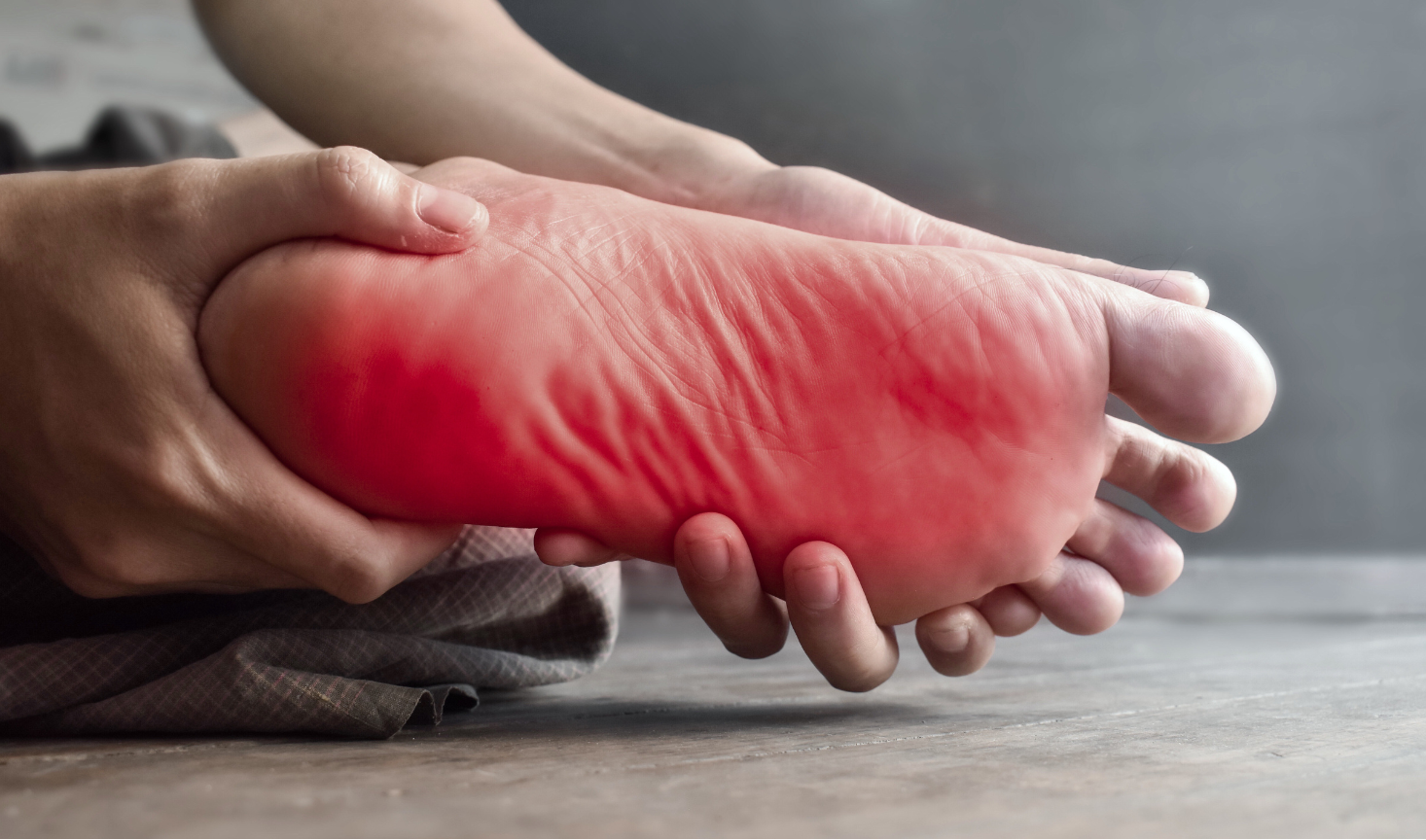
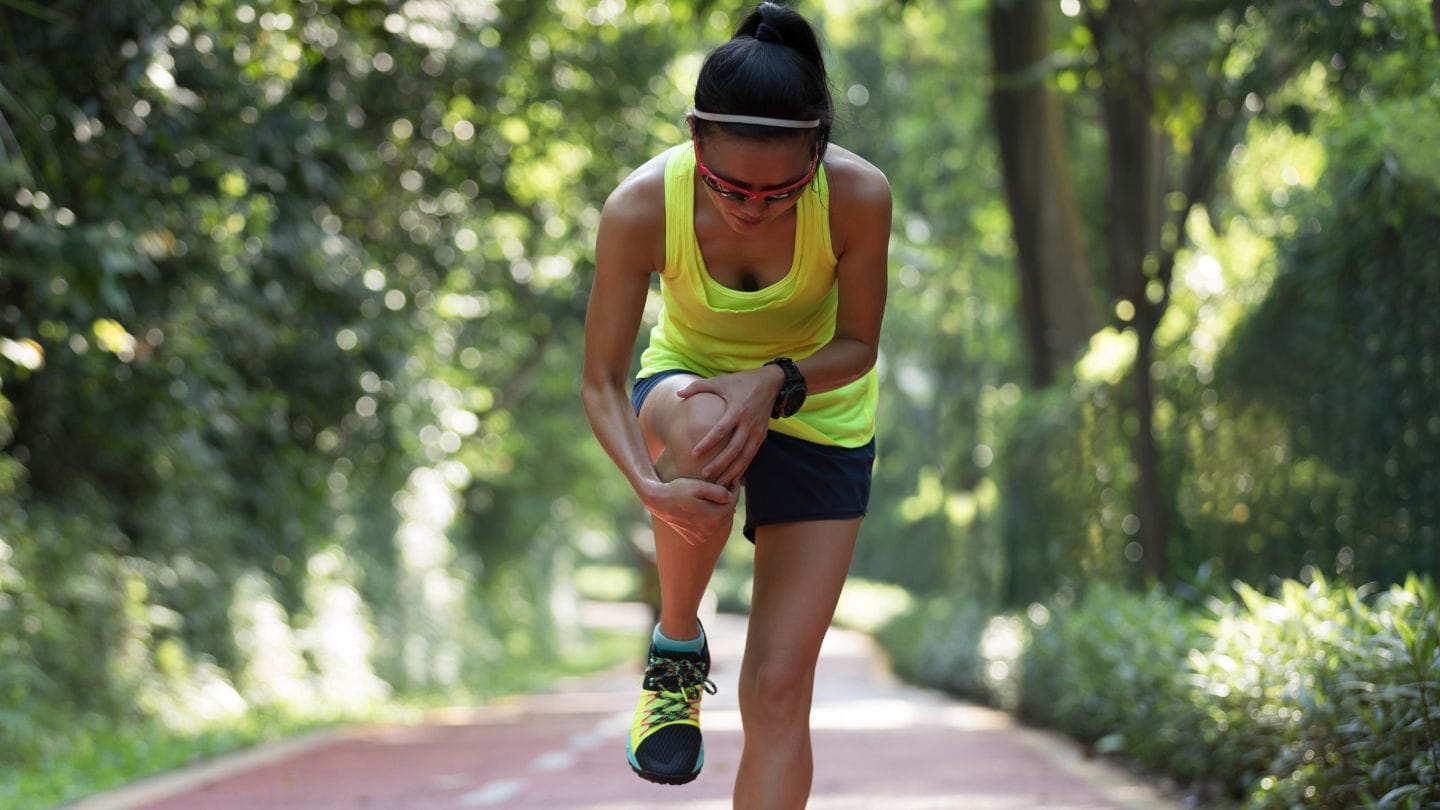
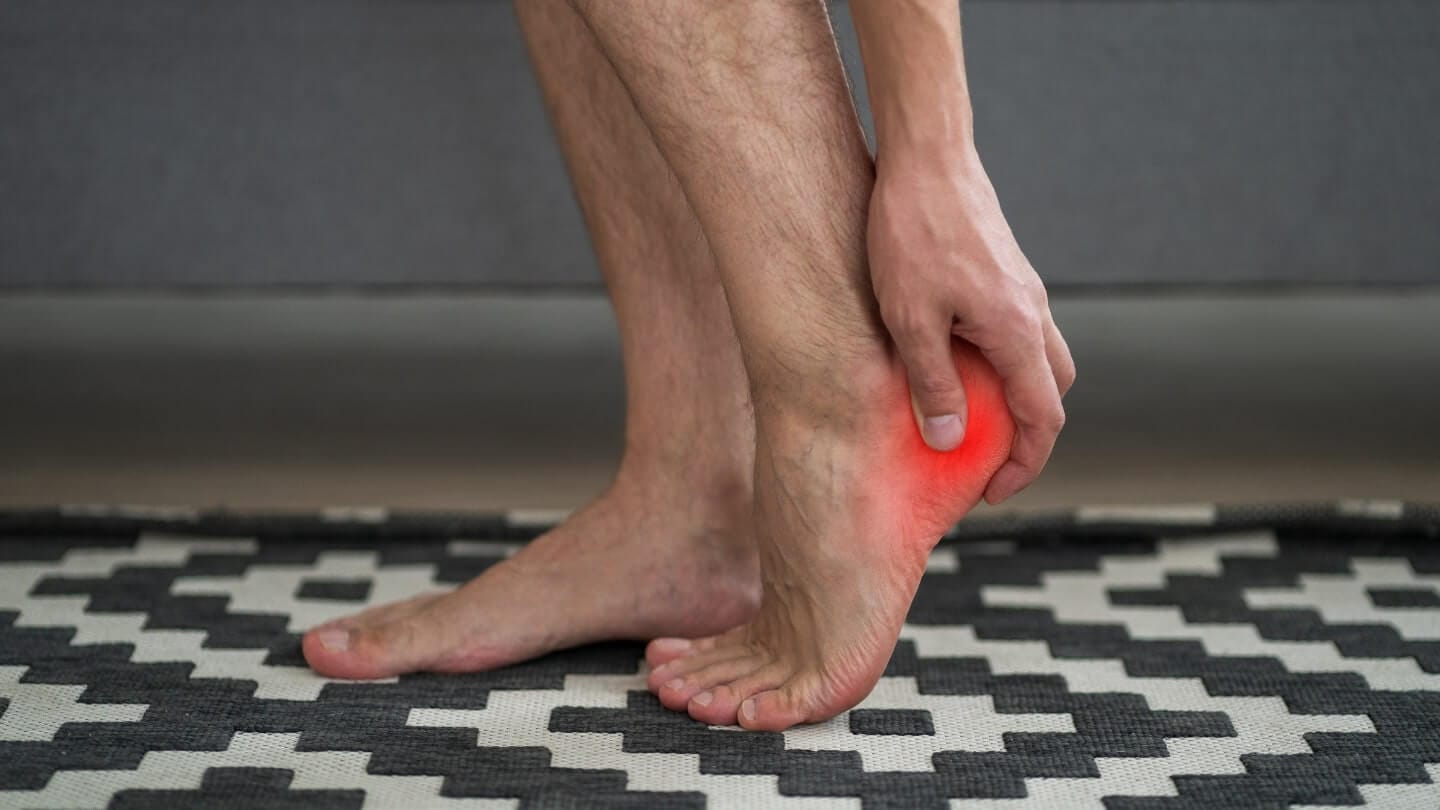
Your child is limping off the football pitch again. They made it through two quarters before the familiar complaint kicked in – that deep ache at the back of the heel that seems to flare every time there’s a big training week or a double-header on the weekend. You’ve tried rest. You’ve tried new shoes. But at the next game, the heel pain is back.
If this sounds familiar, there’s a good chance you’re dealing with Sever’s disease. It’s one of the most common causes of heel pain in active tweens and teens.
What is Sever’s disease?
Sever’s disease (also known as calcaneal apophysitis) is an inflammation of the growth plate at the back of the heel bone. There’s no infection involved so it’s not actually a disease in the traditional sense, but the name has stuck since Dr James Sever first described it in 1912.
Sever’s disease is common in adolescence when children experience sudden growth spurts. Their leg bones may lengthen faster than the surrounding soft tissues. The Achilles tendon, which attaches to the back of the heel, pulls on the growth plate with increasing tension as the calf grows tighter relative to the lengthening leg bones. That repeated traction causes irritation and pain at the heel, especially in children who are running, jumping, and training through this period.
The condition typically affects children aged 8–15. It’s more common in boys than girls, and its timing usually coincides with an adolescent growth spurt.
Recognising the signs
Sever’s disease commonly involves heel pain that:
- Worsens during or after sport, particularly running and jumping activities
- Eases with rest but returns when training resumes
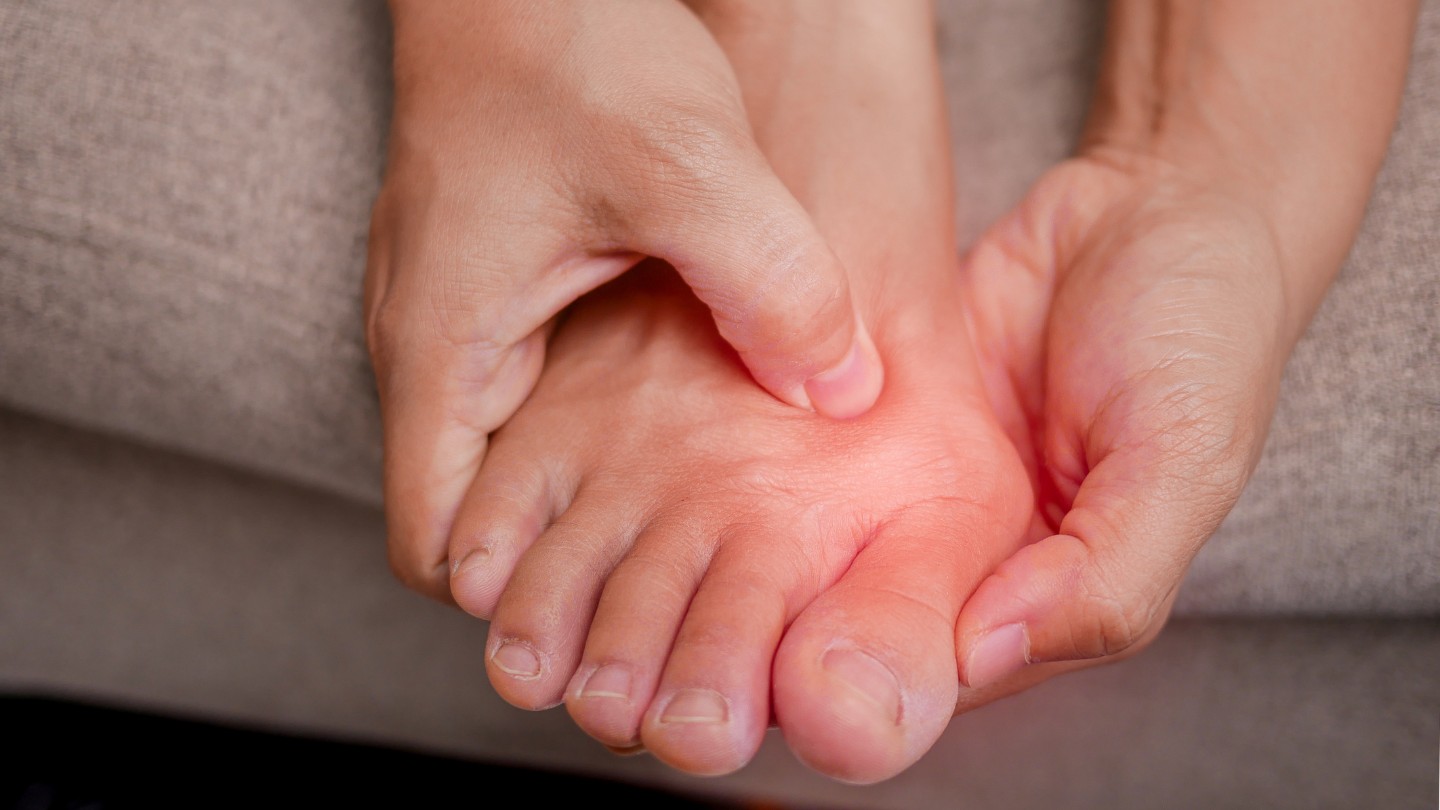
- Is felt at the back and bottom of the heel, rather than under the arch
- May cause a child to walk on their toes to offload the painful area
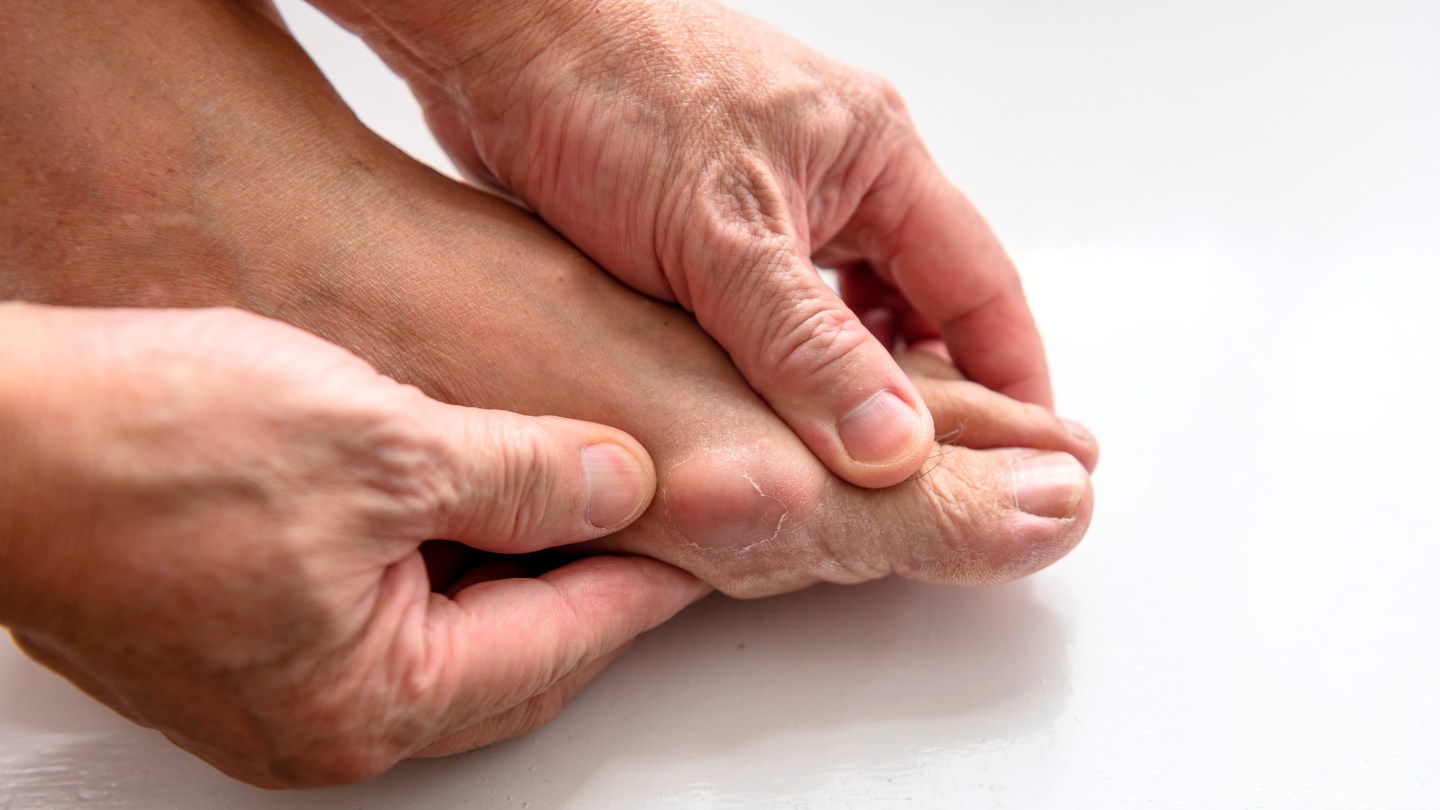
- Is tender when you squeeze the heel from both sides – a clinical test known as the calcaneal squeeze test.
Why active kids are most at risk
Sever’s disease is an overuse condition that emerges due to rapid growth, high training loads and developing biomechanics.
Lengthening leg bones, frequent running and jumping and certain biomechanical factors can increase the load on the heel growth plate. Biomechanical issues may include:
- Flat feet
- Tight calf muscles
- Gastrocnemius equinus, which restricts upward ankle movement.
Hard playing surfaces amplify the problem by increasing the impact forces transmitted through the heel with every stride. Unsupportive footwear can compound these problems.
What helps Sever’s disease?
Sever’s disease will eventually go away when the heel growth plate fuses, usually in mid-adolescence.
In the meantime, we aim to manage Sever’s disease so that it does not significantly curtail a child’s activity levels or cause young athletes to miss key milestones.
Conservative management of Sever’s disease usually involves a combination of:
- Reducing training load: Complete rest is rarely necessary or helpful but load should be reduced to a tolerable level while maintaining fitness. Swimming and cycling are typically well-tolerated alternatives.
- Conditioning exercises: Often this involves regular calf stretching and heel cord strengthening.
- Footwear review: Worn-out sports shoes, or shoes without adequate heel cushioning, can worsen symptoms.
- Heel raises: A slight heel raise inserted into shoes helps reduce tension on the Achilles tendon insertion and is often one of the first things to address.
- Orthotics: Custom-made orthotics can address any underlying biomechanical contributors such as flat feet or atypical gait.
- Activity-related pain management: Ice and anti-inflammatory medication can help ease pain when needed.
The role of paediatric podiatry
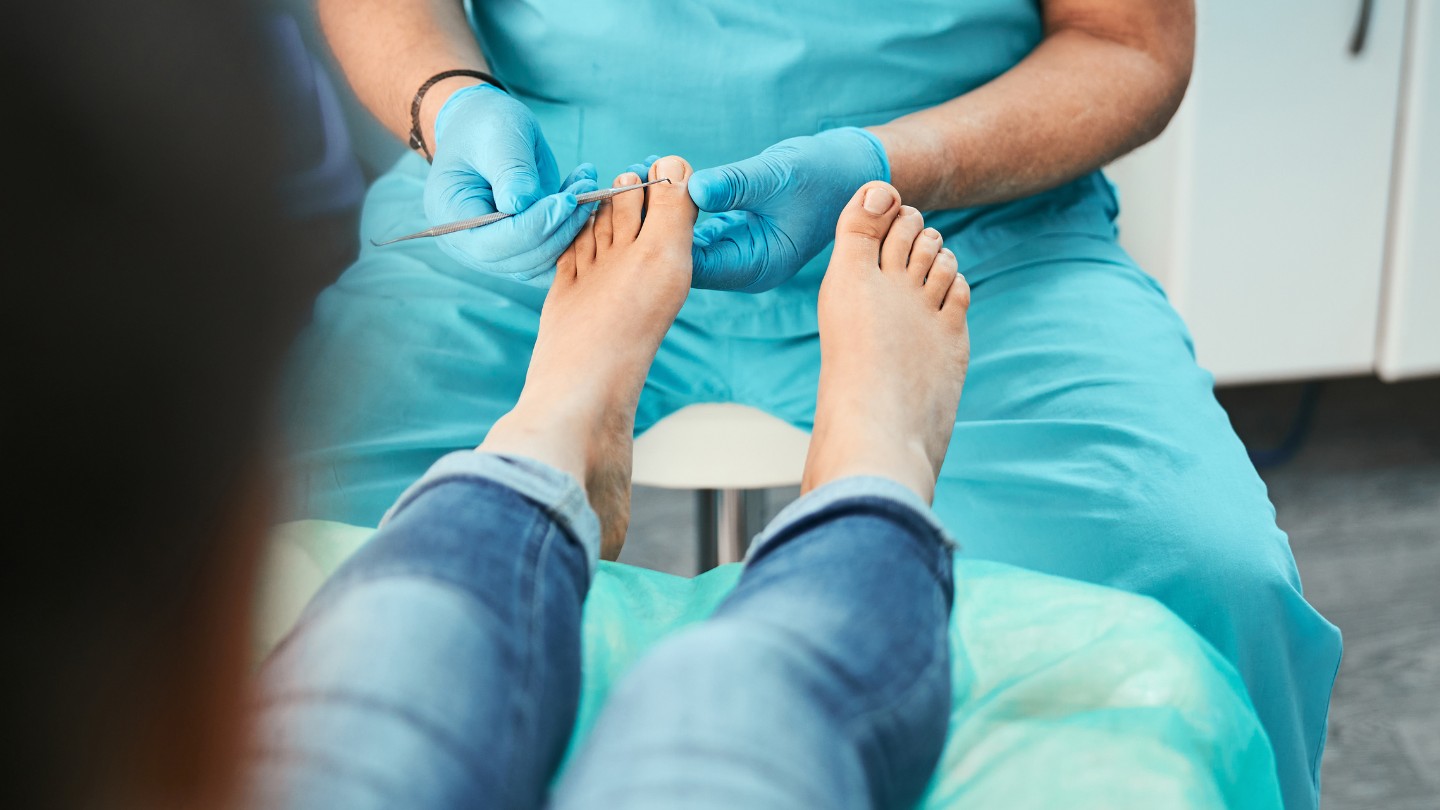
Podiatrists understand lower limb development in adolescence. We’re trained to consider the whole picture: your child’s gait, foot structure, footwear, training load, and growth trajectory.
At Hong Kong Foot Clinic, we see young athletes across a wide range of sports and offer gait analysis, biomechanical assessment, and orthotic management as part of a personalised plan.
We also know that, while Sever’s disease usually resolves once a child reaches skeletal maturity, underlying biomechanical contributors don’t disappear when the growth plate fuses. Flat feet, tight calves, and poor-fitting footwear can set the stage for ongoing lower limb overuse injuries into adolescence and adulthood. Getting on top of these factors early with appropriate arch supports, custom orthotic insoles, or a structured exercise program helps protect your child’s long-term foot health.
Practical steps for parents
You don’t need to wait for a formal diagnosis to take action. If your child is complaining of heel pain during or after sport, here are some immediate steps:
- Check their shoes: Sports shoes should have a firm heel counter, good cushioning, and no more than 12 months of regular use. A shoe that’s breaking down at the heel is no longer offering the support your child needs.
- Reduce training load temporarily: Dropping back to a couple of sessions per week gives the heel time to settle without losing conditioning entirely.
- Start calf stretches: Have your child perform standing calf stretches against a wall.
- Book an assessment: If pain is recurring across multiple weeks or interfering with sport and school activities, a podiatrist assessment will give you clear answers and a structured path forward.
With the right guidance, most children with Sever’s disease continue to play sport throughout their treatment – just with a smarter approach to load and recovery.
If your child is experiencing heel pain, the team at Hong Kong Foot Clinic can help. Book an appointment online or call us on 3751-5001.
Disclaimer
All information is general and not intended as a substitute for professional advice.
References [accessed 1 July 2026]
- Boston Children’s Hospital. (n.d.). Sever’s disease. https://www.childrenshospital.org/conditions-treatments/severs-disease
- Hernandez-Lucas, P., Leirós-Rodríguez, R., García-Liñeira, J., & Diez-Buil, H. (2024). Conservative treatment of Sever’s disease: A systematic review. Journal of Clinical Medicine, 13(5), 1391. https://doi.org/10.3390/jcm13051391
- Johns Hopkins Medicine. (n.d.). Sever disease. https://www.hopkinsmedicine.org/health/conditions-and-diseases/sever-disease
- Nieto-Gil, P., Marco-Lledó, J., García-Campos, J., Ruiz-Muñoz, M., Gijon-Nogueron, G., & Ramos-Petersen, L. (2023). Risk factors and associated factors for calcaneal apophysitis (Sever’s disease): A systematic review. BMJ Open, 13(6), e064903. https://doi.org/10.1136/bmjopen-2022-064903
- Smith, J. M., & Varacallo, M. A. (2024). Sever disease (calcaneal apophysitis). In StatPearls. StatPearls Publishing. https://www.ncbi.nlm.nih.gov/books/NBK441928/
- Yale Medicine. (n.d.). Sever disease. https://www.yalemedicine.org/conditions/sever-disease