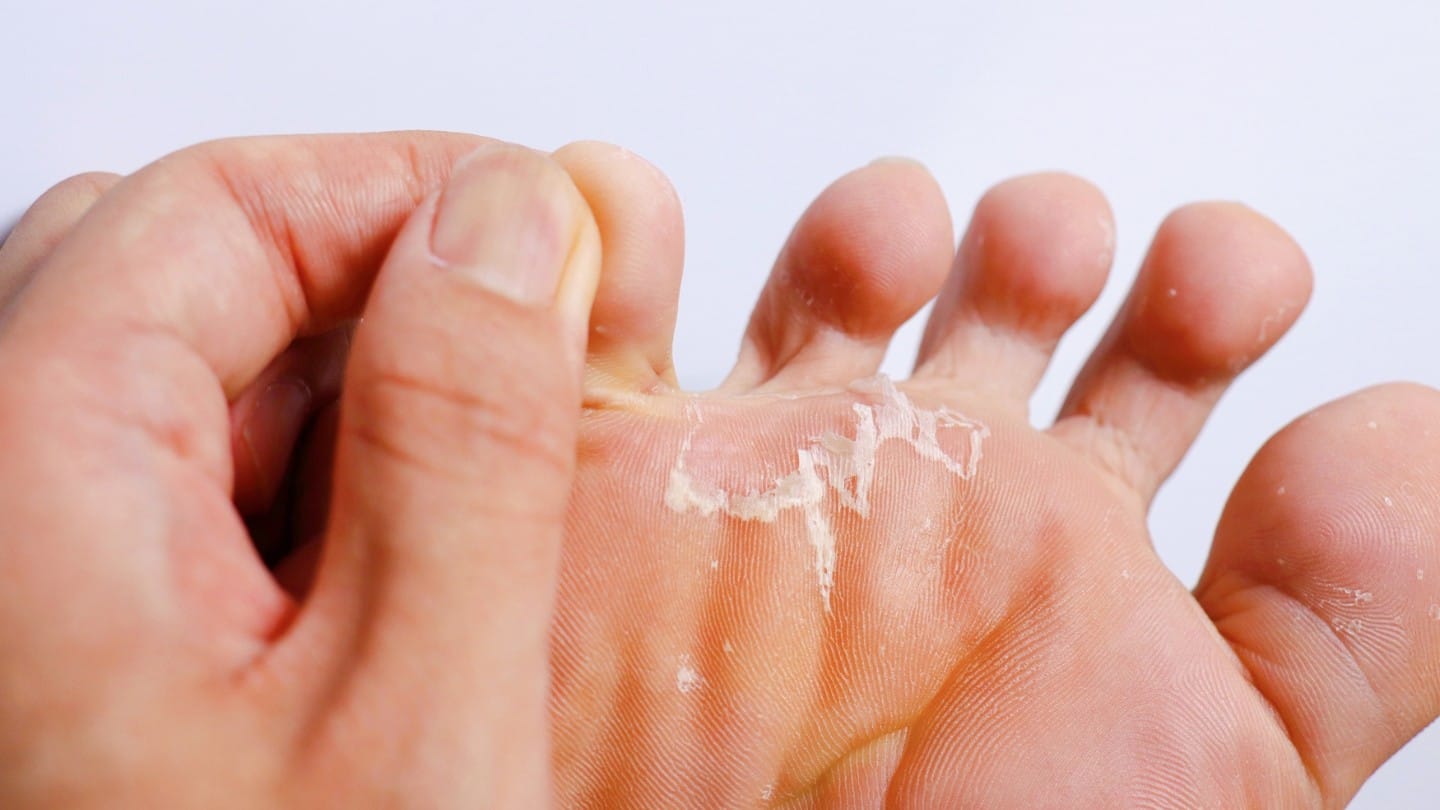
If this pattern is familiar, you may be dealing with Morton’s neuroma.
What is Morton’s Neuroma?
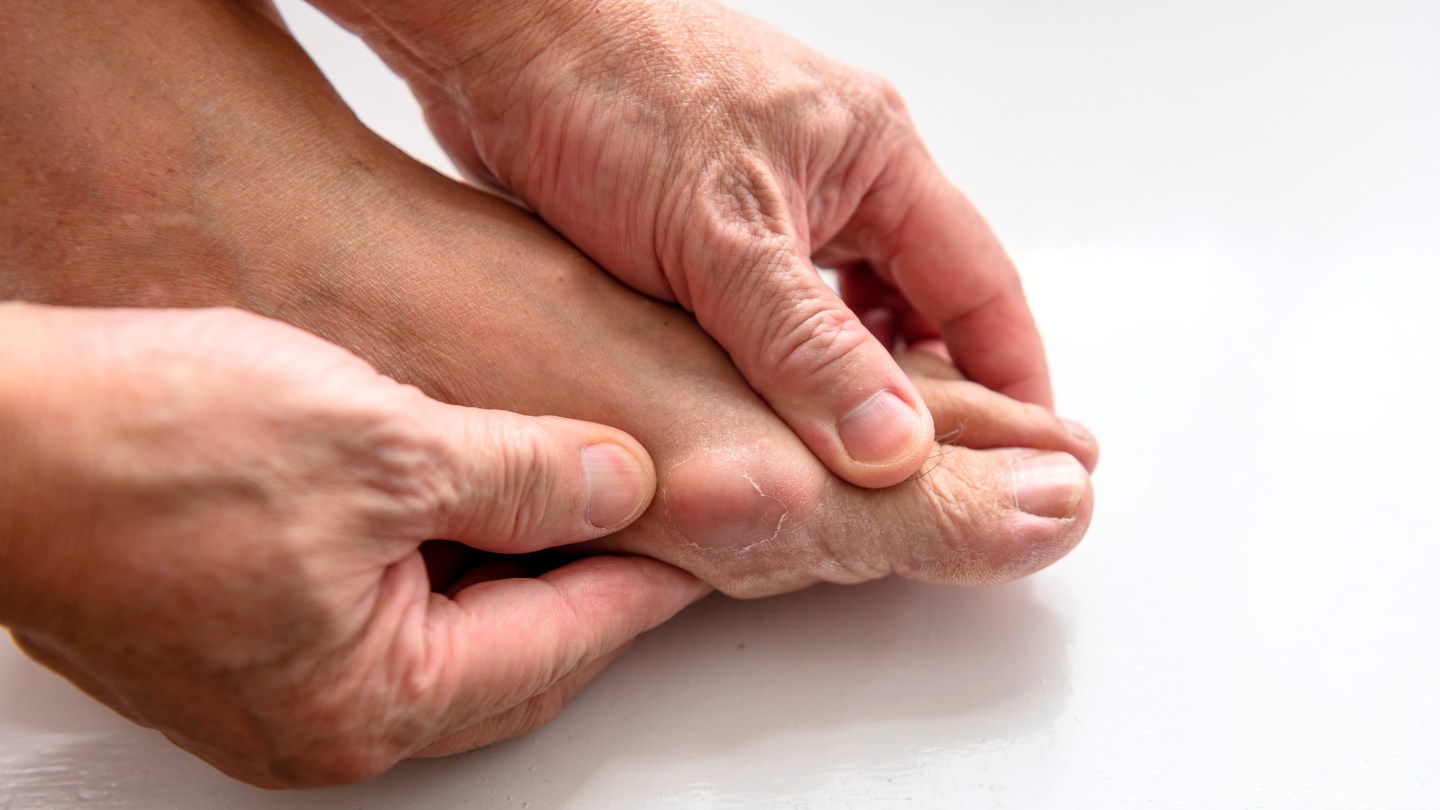
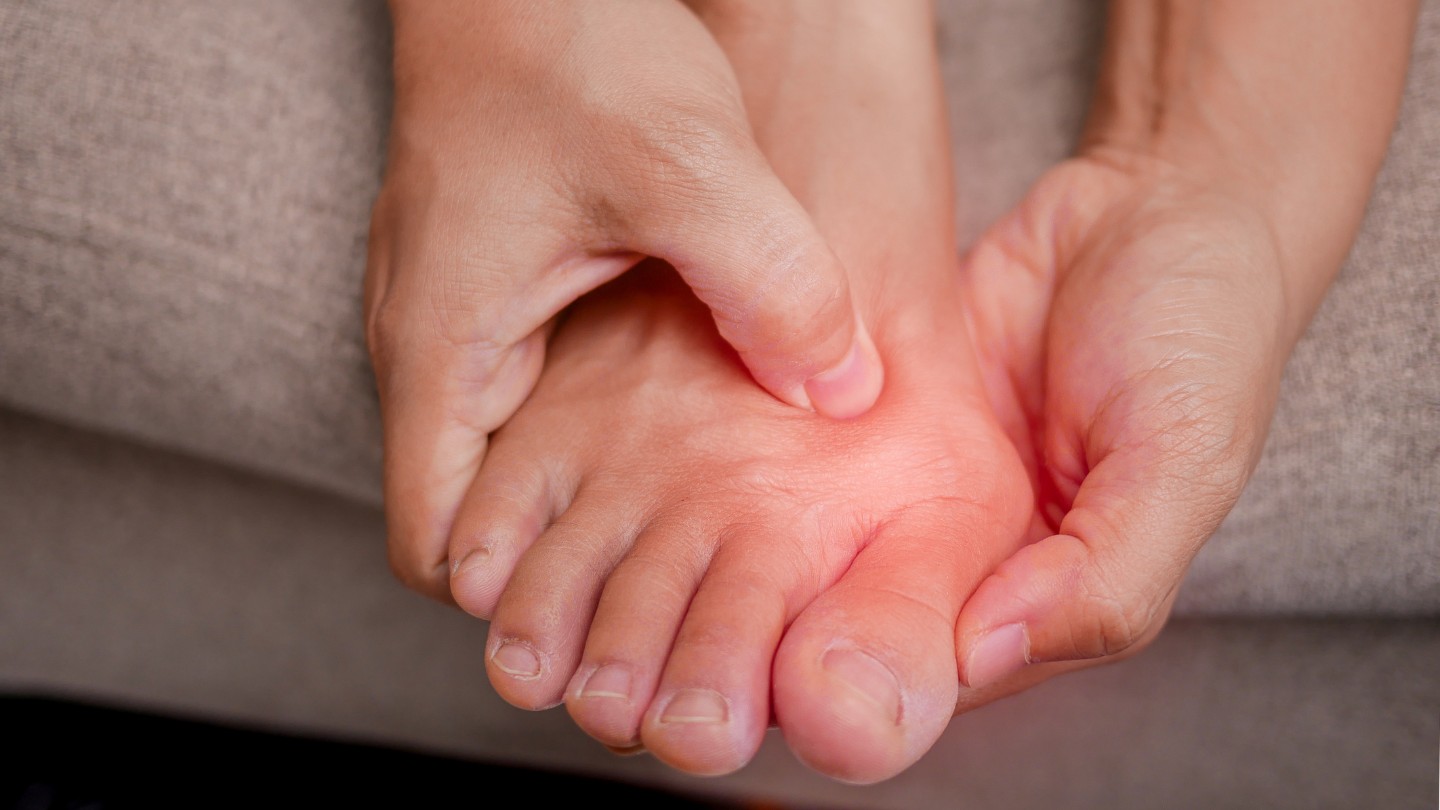
Morton’s neuroma is a thickening of the tissue surrounding one of the nerves running between the toes, most commonly between the third and fourth. It is not a tumour; the name refers to the nerve irritation and fibrous tissue build-up that develops in response to repeated pressure or compression.
The result is forefoot pain that is hard to ignore and easy to misattribute. Common symptoms include:
- A burning or sharp pain in the ball of the foot, typically between the third and fourth toes
- Numbness or tingling in the toes
- The persistent sensation of standing on a pebble, fold of fabric, or a marble that isn’t there
- Pain that worsens during walking or standing, and eases when weight is removed from the foot
Symptoms are often aggravated by certain types of footwear, particularly high heels or narrow toe boxes. That may explain why Morton’s neuroma is up to 8 times more likely to affect women than men. Finding two neuromas on the same foot is common.
The Footwear Problem in Professional Environments
As podiatrists in Hong Kong, we see many professional women dealing with Morton’s neuroma.
Corporate footwear for women is rarely designed around foot mechanics. High heels shift body weight forward, putting excessive pressure on the forefoot, while narrow toe boxes compress the spaces between toes—pinching nerves and crowding metatarsal bones.
If you’re commuting, presenting, dashing across town to client meetings, and attending evening functions, your feet may be in those high-heeled, narrow-toed shoes for many hours a day, many days a week. Switching to casual shoes on weekends is rarely enough to provide sufficient relief.
Can You Manage Morton’s Neuroma at Home?
You may be able to manage mild early symptoms at home using cushioning insoles, metatarsal pads, topical pain relief or rest.
There are two potential risks with home care. The first is that you might be treating the wrong problem. Symptoms of Morton’s neuroma can overlap with other conditions, such as a metatarsal stress fracture, hammertoe, rheumatoid or osteoarthritis, malignancy or a Ganglion cyst.
The second risk is delayed care. Morton’s neuroma is generally more amenable to conservative management when identified and treated early. Delaying assessment may allow symptoms to persist or worsen, reducing the likelihood that first-line treatments will provide relief.
Clinical Podiatry Assessments
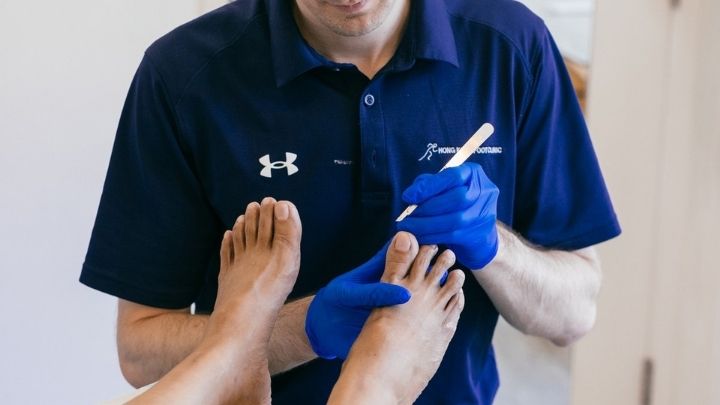
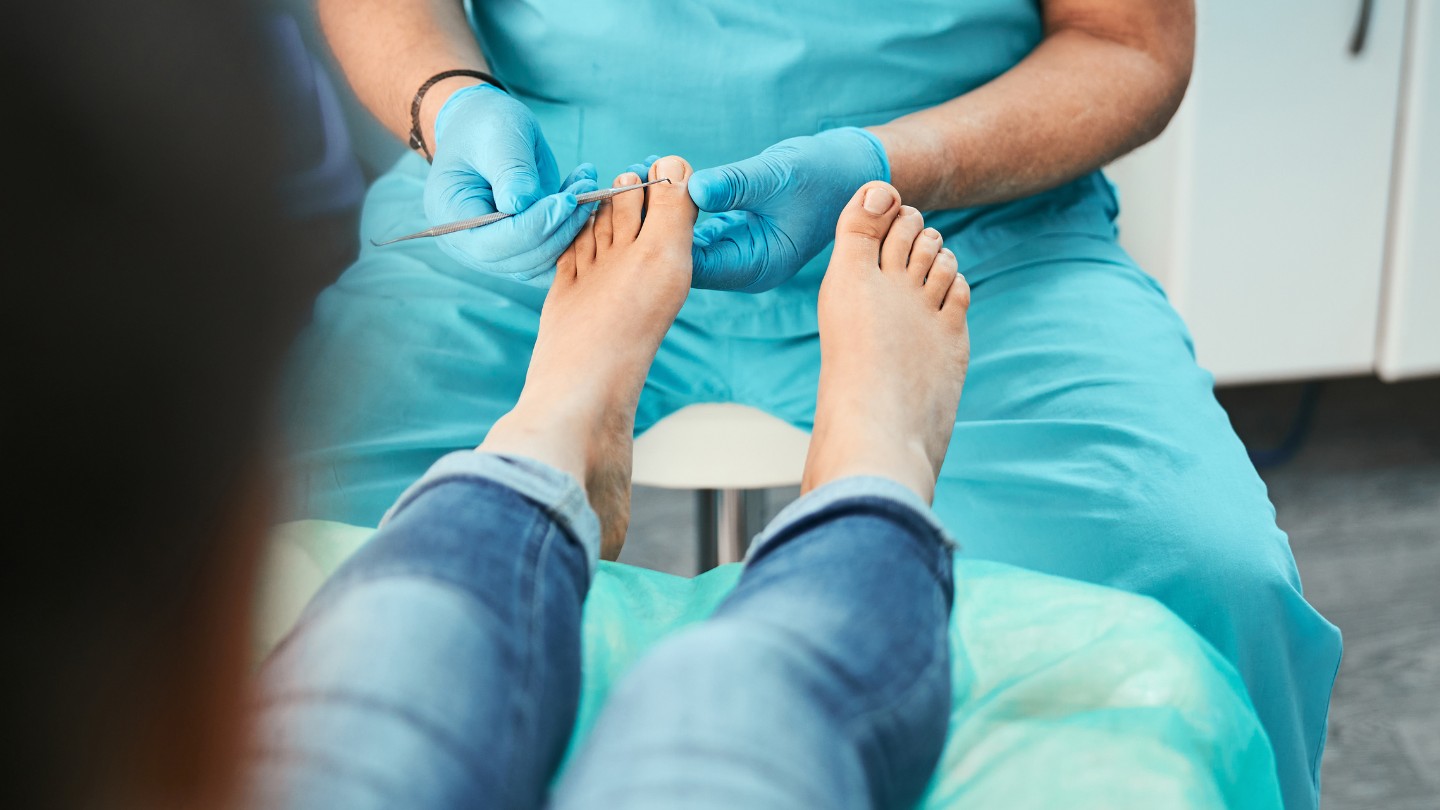
Hong Kong Foot Clinic’s clinical podiatry assessments begin with a discussion of your symptoms, history, footwear and daily activity. Next, we examine your forefoot carefully, which usually includes palpation, compression tests and assessment of metatarsal spacing and mobility.
We may also use gait analysis to identify how load is distributed through your forefoot during walking, as this informs both diagnosis and management planning. Where imaging is indicated to rule out differential diagnoses, we refer accordingly.
Clinical Management Options
Management of Morton’s neuroma is guided by symptom severity and how you respond to each stage of care.
Footwear Advice
We recommend choosing shoes with:
- A heel under 5 cm, so your weight is more evenly distributed
- A wider toe box, giving your toes and nerves more space
- More cushioning in the forefoot or room to place a discreet metatarsal pad
Custom Orthotics
We may prescribe custom orthotic insoles, designed around your foot structure and loading patterns. For Morton’s neuroma, custom orthotics are designed to take pressure off the irritated nerve, easing the compression that drives symptoms in the first place.
Medications
Over-the-counter anti-inflammatory medications may be recommended to help ease inflammation and pain.
Injections
For more persistent symptoms, we may recommend ultrasound-guided corticosteroid injections to relieve inflammation directly at the site of nerve irritation.
Surgery
While most patients respond well to non-surgical treatment, we may refer you to a surgical podiatrist if Morton’s neuroma persists despite previous conservative interventions.
- Decompression surgery for Morton’s neuroma aims to ease pressure on the nerve.
- Neurectomy is another type of surgery that removes the diseased portion of the nerve.
When to Seek Assessment
If forefoot pain, ball of foot pain or toe numbness has been present for more than a few weeks and is not resolving with footwear changes alone, it’s wise to book a clinical assessment at Hong Kong Foot Clinic.
You can book an appointment online or call us on 3751-5001.
References [accessed 10 July 2026]
- American Academy of Orthopaedic Surgeons. (n.d.). Morton’s neuroma. OrthoInfo. https://www.orthoinfo.org/diseases–conditions/mortons-neuroma/
- Mayo Clinic. (n.d.). Morton’s neuroma: Diagnosis and treatment. https://www.mayoclinic.org/diseases-conditions/mortons-neuroma/diagnosis-treatment/drc-20351939
- Munir U, Tafti D, Morgan S. Morton Neuroma. [Updated 2023 May 22]. In: StatPearls [Internet]. Treasure Island (FL): StatPearls Publishing; 2026 Jan-. Available from: https://www.ncbi.nlm.nih.gov/books/NBK470249/